
Call us now :08071781474
 Send Inquiry
 Send Inquiry
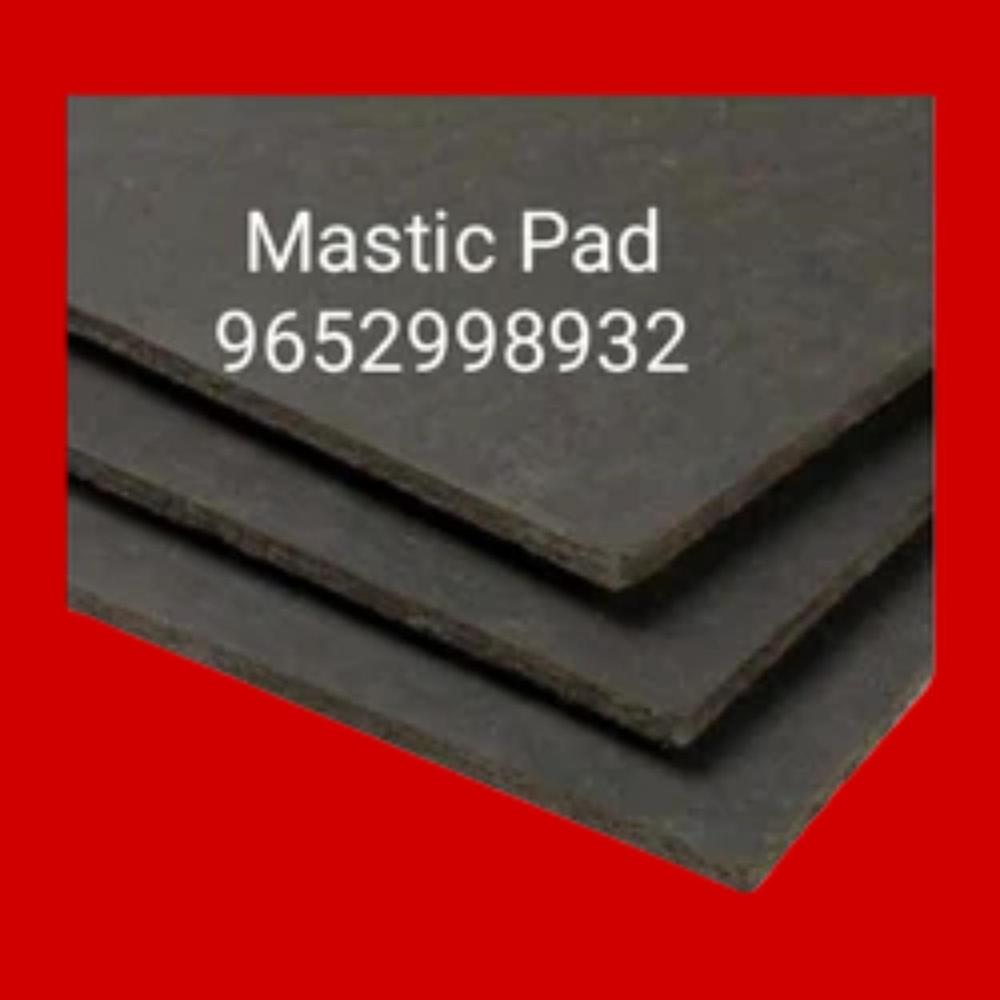
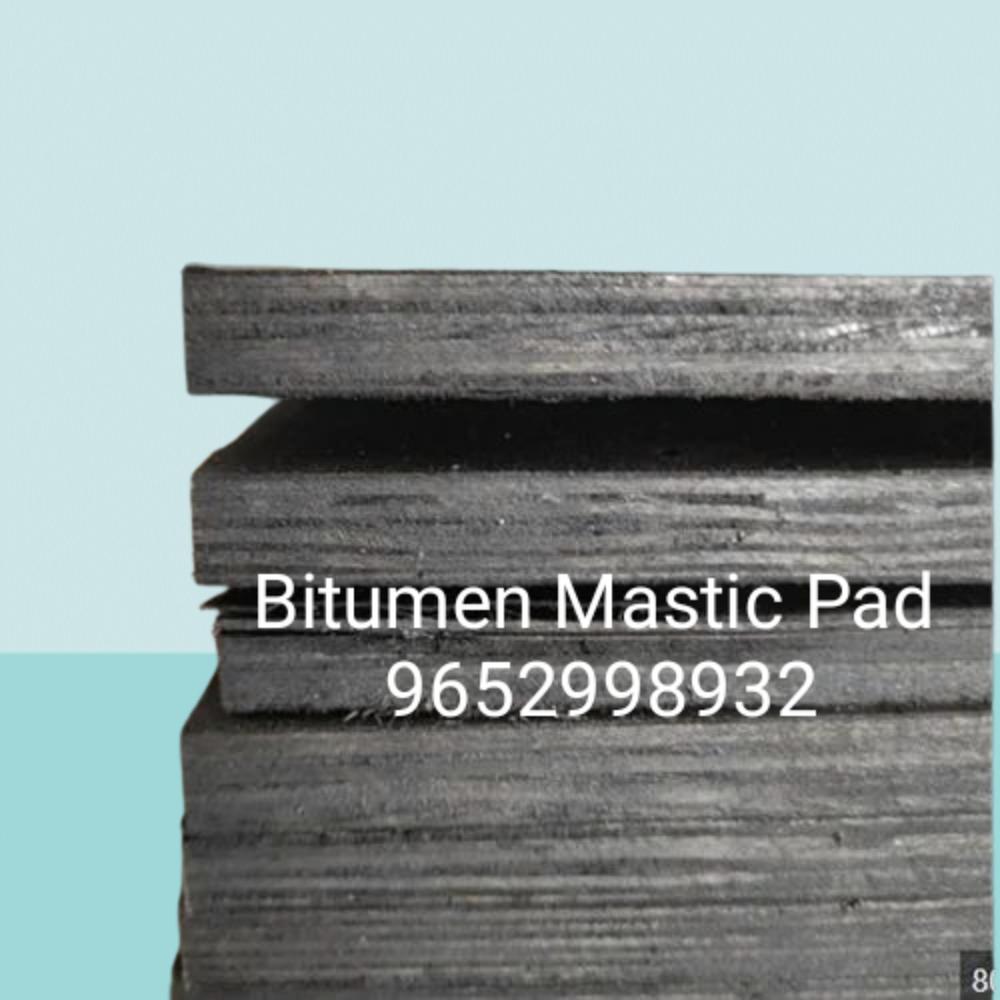
Domestic Expansion Joint Filler Board Road Construction
Price 180.0 INR/ Number
MOQ : 1 Number
Domestic Expansion Joint Filler Board Road Construction Specification
- Media
- Concrete, Road Surfaces
- Head Code
- Standard
- Surface Treatment
- Smooth
- Max. Temperature
- Up to 70°C
- Material
- Bitumen Impregnated Fibre Board
- Technique
- Compressed Fibre Board
- Type
- Expansion Joint Filler Board
- Connecting Type
- Interlocking or Butt Joint
- Shape
- Rectangular
- Working Pressure
- Suitable for Standard Road Loads
- Packaging Type
- In Sheets / Slabs
- Odor
- Odorless
- Length
- 2 m (standard)
- Density
- 350-450 kg/m3
- Thickness Range
- 12 mm, 18 mm, 25 mm
- Compression Recovery
- Minimum 70% after compression
- Colour
- Dark Brown / Black
- Width
- 500 mm, 1000 mm, or as required
- Features
- Weather resistant, Rot proof, Easy to install
- Application
- Expansion joint filler in concrete pavement, roads, bridge structures
- Water Absorption
- Max 15%
About Domestic Expansion Joint Filler Board Road Construction
In road construction, Expansion Joint Filler Boards are critical materials used to accommodate the natural movement of concrete slabs due to thermal expansion, contraction, and other stresses. Here's a breakdown of what they are, why they matter, and the types typically used:
What Is an Expansion Joint Filler Board?
An expansion joint filler board is a compressible sheet material placed between concrete slabs or between concrete and fixed structures to absorb movement and prevent cracking.
Why Is It Used in Road Construction?
-
Thermal Movement: Concrete expands in hot weather and contracts in cold.
-
Prevents Cracking: Without joints, slabs might push against each other and crack.
-
Separation: Provides a buffer between concrete and other structures (like bridges, buildings, or manholes).
Common Materials Used
-
Bitumen-impregnated fiberboard:
-
Traditional material
-
Water-resistant, compressible, durable
-
-
Closed-cell polyethylene foam (e.g., EVA foam):
-
Lightweight
-
Flexible and easy to install
-
-
Cork filler boards:
-
High compressibility
-
Eco-friendly option
-
-
Rubber or neoprene:
-
Used in high-performance areas (like airport runways)
-
Installation Highlights
-
Placed vertically between slabs before the concrete pour.
-
Must align with the joint and extend the full depth of the slab.
-
Sealed on top with a sealant to prevent water and debris infiltration.
Typical Sizes (May Vary by Project)
-
Thickness: 10 mm, 12 mm, 20 mm
-
Height: Matches the slab depth (e.g., 150 mm to 300 mm)
-
Length: Usually comes in 1 or 2 meter lengths
If you're working on or specifying for a road construction project, I can help you choose the right type of filler board based on traffic load, climate, and other specs. Want to dive into standards or pricing in your area?
Superior Durability and Weather Resistance
This expansion joint filler board is crafted with premium bitumen-impregnated fibreboard, ensuring reliable performance even in harsh weather conditions. Its rot-proof and waterproof characteristics make it ideal for long-lasting applications in roads, bridges, and concrete infrastructure. The product maintains its integrity and functionality over time, despite exposure to moisture, temperature fluctuations, and standard road loads.
Precision-Engineered for Road Construction Needs
Designed to accommodate concrete movement and minimize cracking, the filler board comes in precise thicknesses (12 mm, 18 mm, 25 mm) and can be cut to width requirements. Its excellent compression recovery and smooth surface facilitate proper joint filling and ease of installation. Whether for new builds or repairs, the board's robust construction adapts to Indian road standards and demanding construction schedules.
FAQ's of Domestic Expansion Joint Filler Board Road Construction:
Q: How is the Domestic Expansion Joint Filler Board installed in road construction projects?
A: Installation is straightforward: The board is cut to required dimensions and placed between concrete slabs before pouring. It can be fitted using interlocking or butt joints, ensuring a secure and even fit. Its smooth surface and manageable weight make manual handling and positioning easy for workers.Q: What thickness and size options are available for this expansion joint filler board?
A: It is available in standard thicknesses of 12 mm, 18 mm, and 25 mm. The standard length is 2 meters, with optional widths of 500 mm and 1000 mm, or custom sizes as per project requirement. This flexibility makes it suitable for a range of road and bridge construction applications.Q: Where can this filler board be used within infrastructure projects?
A: The expansion joint filler board is ideal for use in concrete pavements, roads, and bridge structures. It is designed to absorb concrete expansion and contraction due to temperature variations, making it essential for all major roadways and urban infrastructure in India.Q: What benefits does this bitumen-impregnated fibreboard offer over traditional materials?
A: This board provides excellent weather resistance, is rot-proof, odorless, and remains structurally sound under varying pressures and temperatures (up to 70C). Its high compression recovery (minimum 70%) maintains joint effectiveness and durability far longer than conventional wood or untreated fibre fillers.Q: When should an expansion joint filler board be installed during the construction process?
A: The filler board must be installed prior to pouring the concrete slabs. It is positioned in the designated joint spaces, ensuring concrete expansion does not lead to cracking or structural damage over time.Q: What is the maximum water absorption rate of the board and why is this important?
A: The board has a maximum water absorption of 15%, minimizing the risk of swelling, disintegration, or reduction in performance. This quality ensures stable joint performance even under wet conditions, which is critical for road and bridge longevity.



Tell us about your requirement

Price:
Quantity
Select Unit
- 50
- 100
- 200
- 250
- 500
- 1000+
Additional detail
Mobile number
Email

More Products in Bellow And Expansion Joint Category
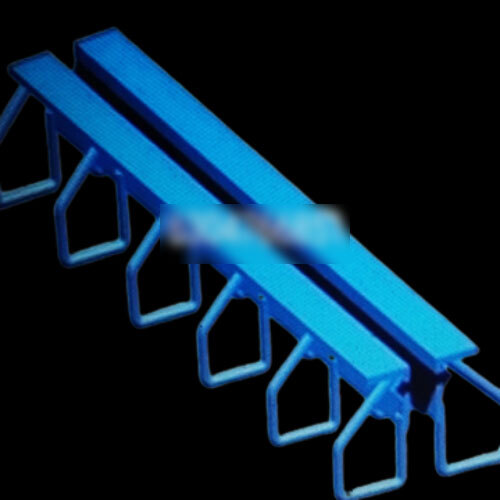
F Type Strip Seal Expansion Joint
Price 3300.0 INR / Meter
Minimum Order Quantity : 100 Meters
Technique : Casting
Max. Temperature : NA Rankine
Flange : F Type
Working Pressure : NA N/cm2

Bridge Strip Seal Expansion Joint
Price 3000.0 INR / Meter
Minimum Order Quantity : 10 Meters
Technique : Forging
Max. Temperature : 10 to 100Dec Celsius (oC)
Flange : NA
Working Pressure : NA N/m2
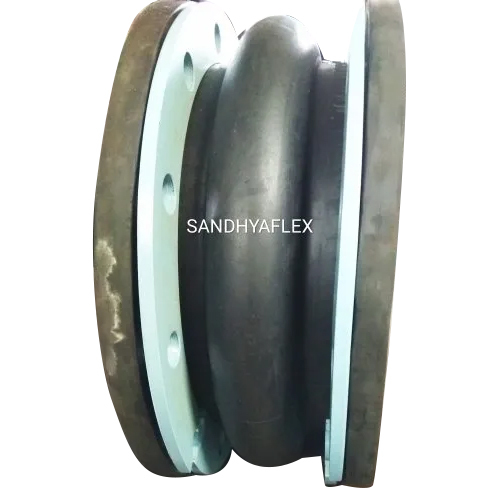
Industrial Rubber Expansion Joint
Price 12000 INR / Unit
Minimum Order Quantity : 100 Units
Technique : Others, Molded and vulcanized
Max. Temperature : Up to 120C
Flange : Carbon Steel or Galvanized Steel
Working Pressure : Up to 16 bar
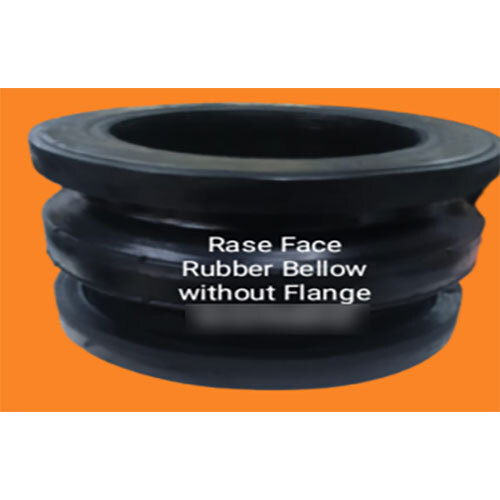
Heavy Duty Rubber Expansion Joint
Price 6000 INR / Piece
Minimum Order Quantity : 100 Pieces
Technique : Others, Compression Molding
Max. Temperature : 10 to 100 Deg Celsius (oC)
Flange : Galvanized Carbon Steel Flange
Working Pressure : up to 16 bar


 Send Inquiry
Our Products
- PVC Water Stopper
- Rubber Gaskets
- Industrial Rubber Hoses
- Elastomeric Bridge Bearing
- Bellow And Expansion Joint
- Drainage Spout
- LDPE Sheets
- Speed Breaker
- PVC Granules
- PVC Water Bar
- Rubber Products
- Tie Rod
- Braided Pipe
- Bridge Expansion Joint
- Dam Gate Seal
- pvc water stopper
- Cement Feeding Rubber Hose
- Slurry Rubber Hose
- Water Suction and Discharge Rubber Hose
- Oil Suction and Discharge Rubber Hose
- Water Swellable Bar
- Electrical Insulating Mat
- Dewatering Rubber Hose
- Strip Seal Expansion Joint
- Pot PTFE bridge Bearing
- Expansion joint Filler Board
- PVC Foot Step
- Curing Hessian Cloth
- Vibrating Screen Rubber Beading
- Carbon Free Rubber Hose
- Rubber corner guard


24-1223/8/A, AMBEDKAR NAGAR, Gajularamaram,Hyderabad - 500055, Telangana, India

Mr Mithilesh Chaudhary
(Proprietor)
Mobile :08071781474
 Send Inquiry
 Send SMS
Developed and Managed by Infocom Network Private Limited.
