
Call us now :08071781474
 Send Inquiry
 Send Inquiry
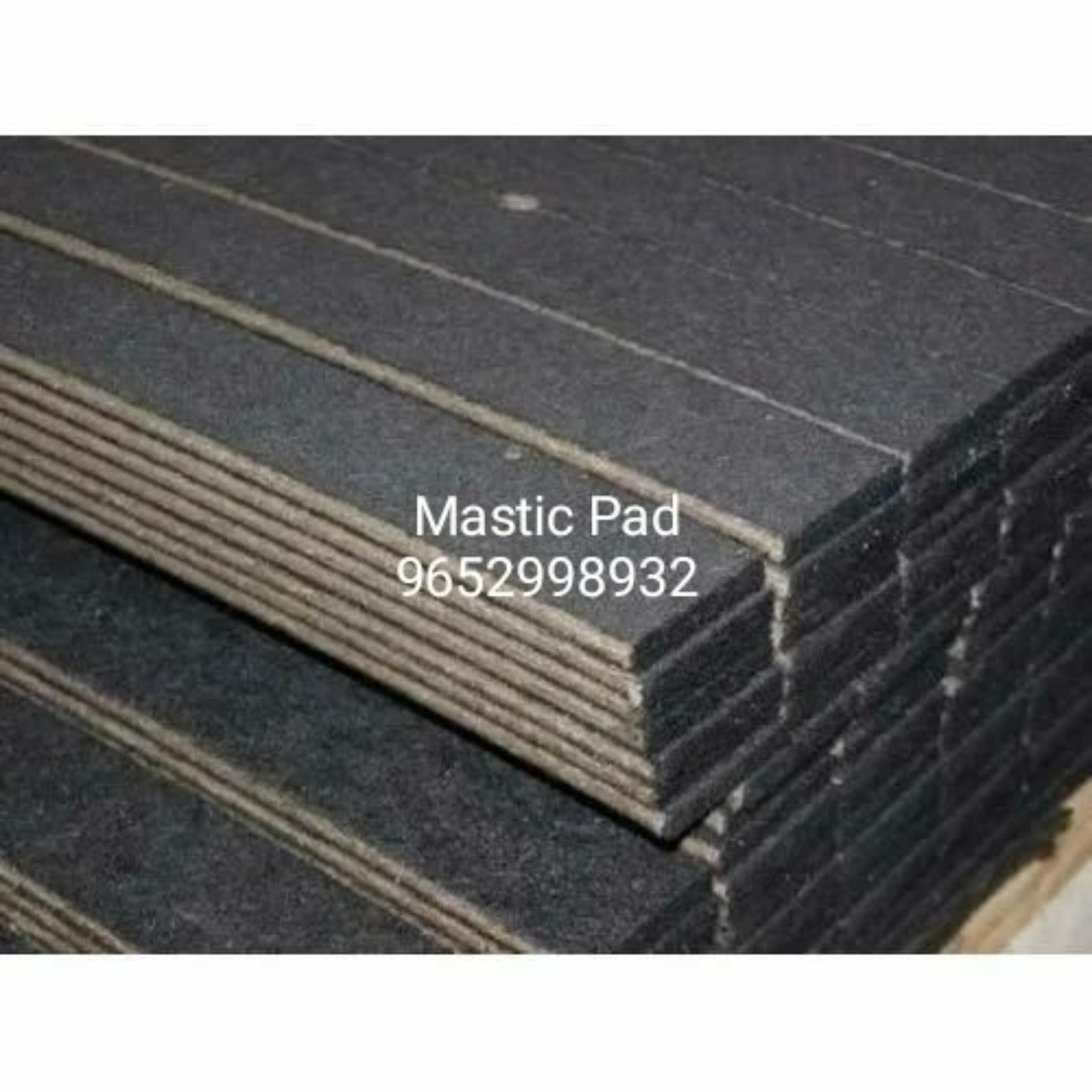
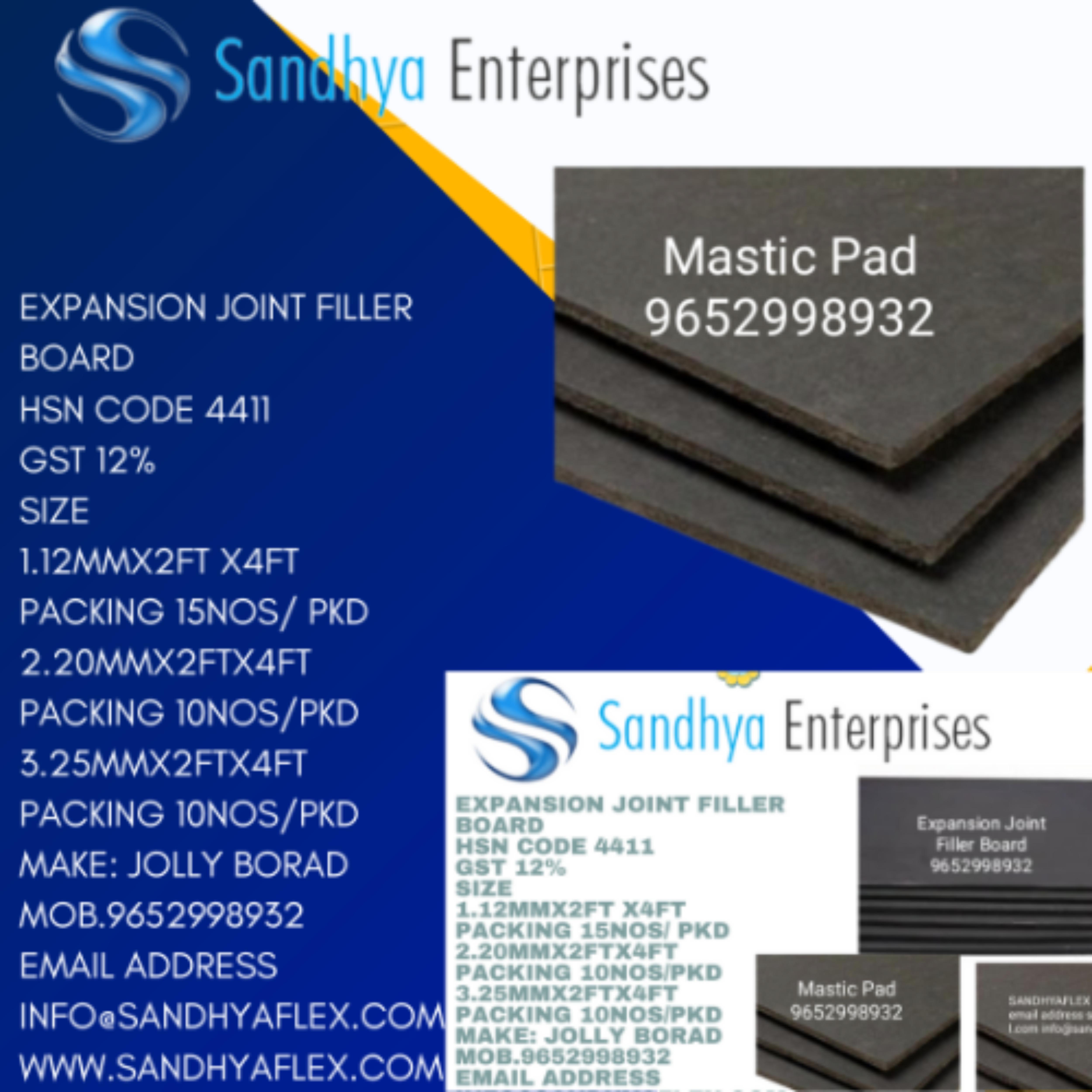
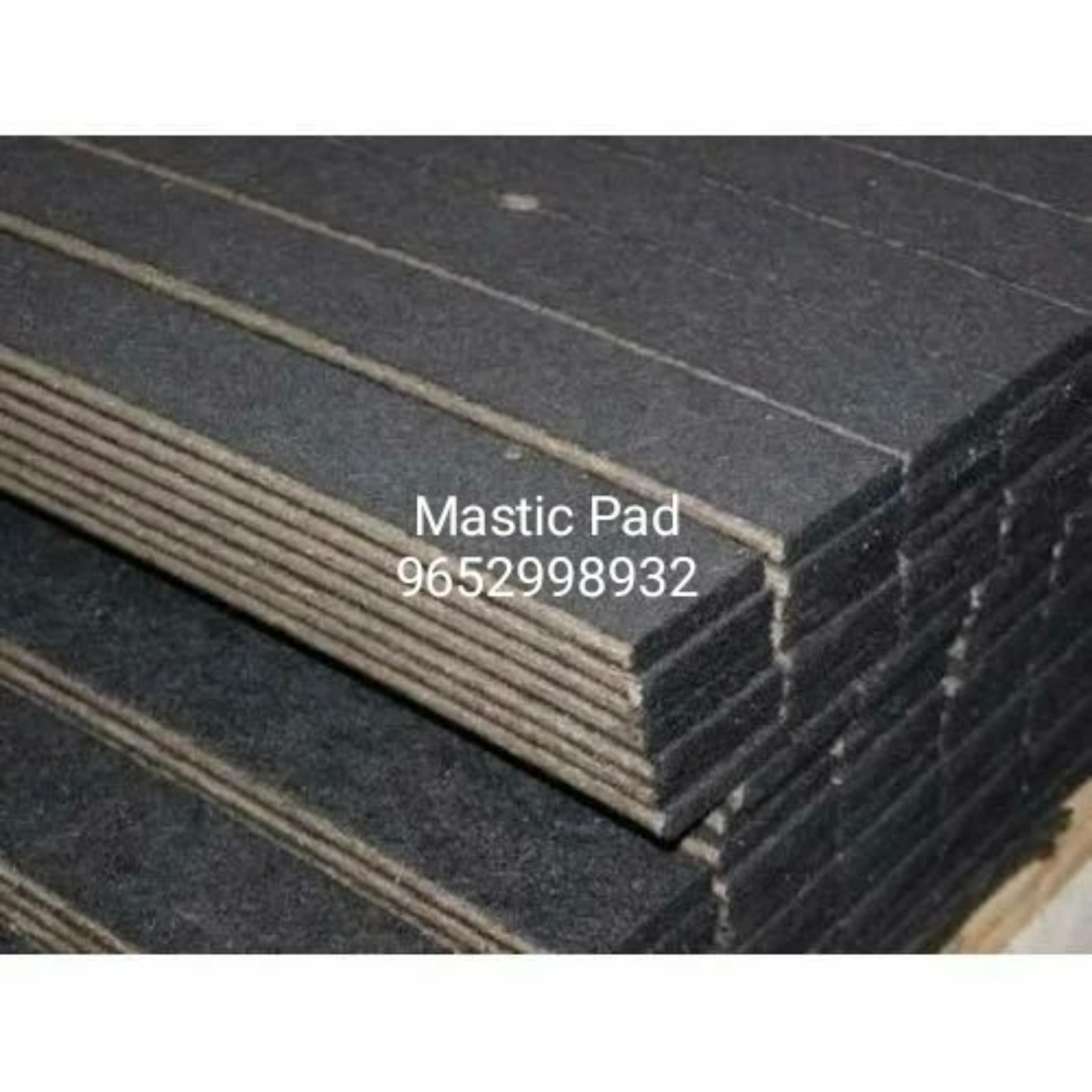
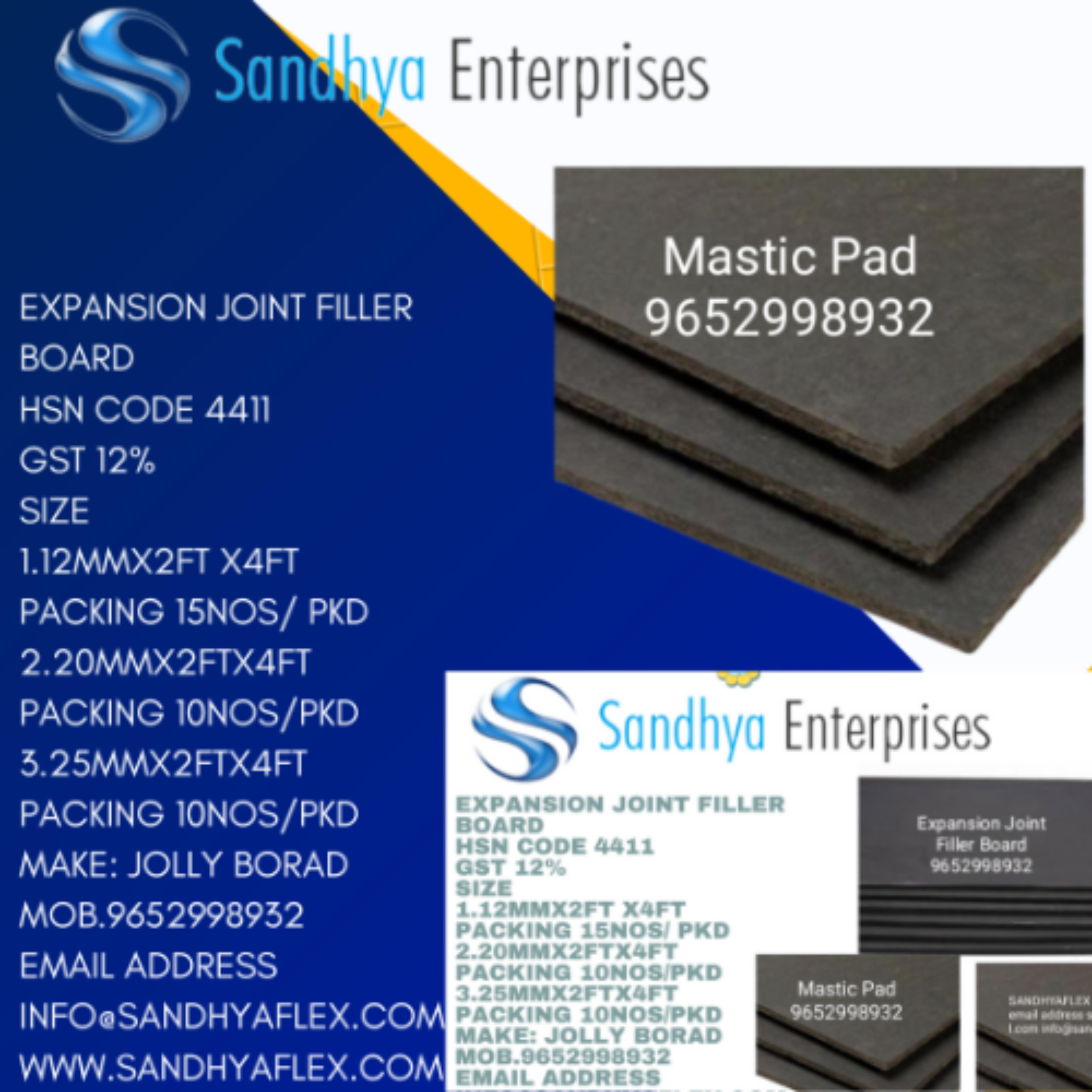
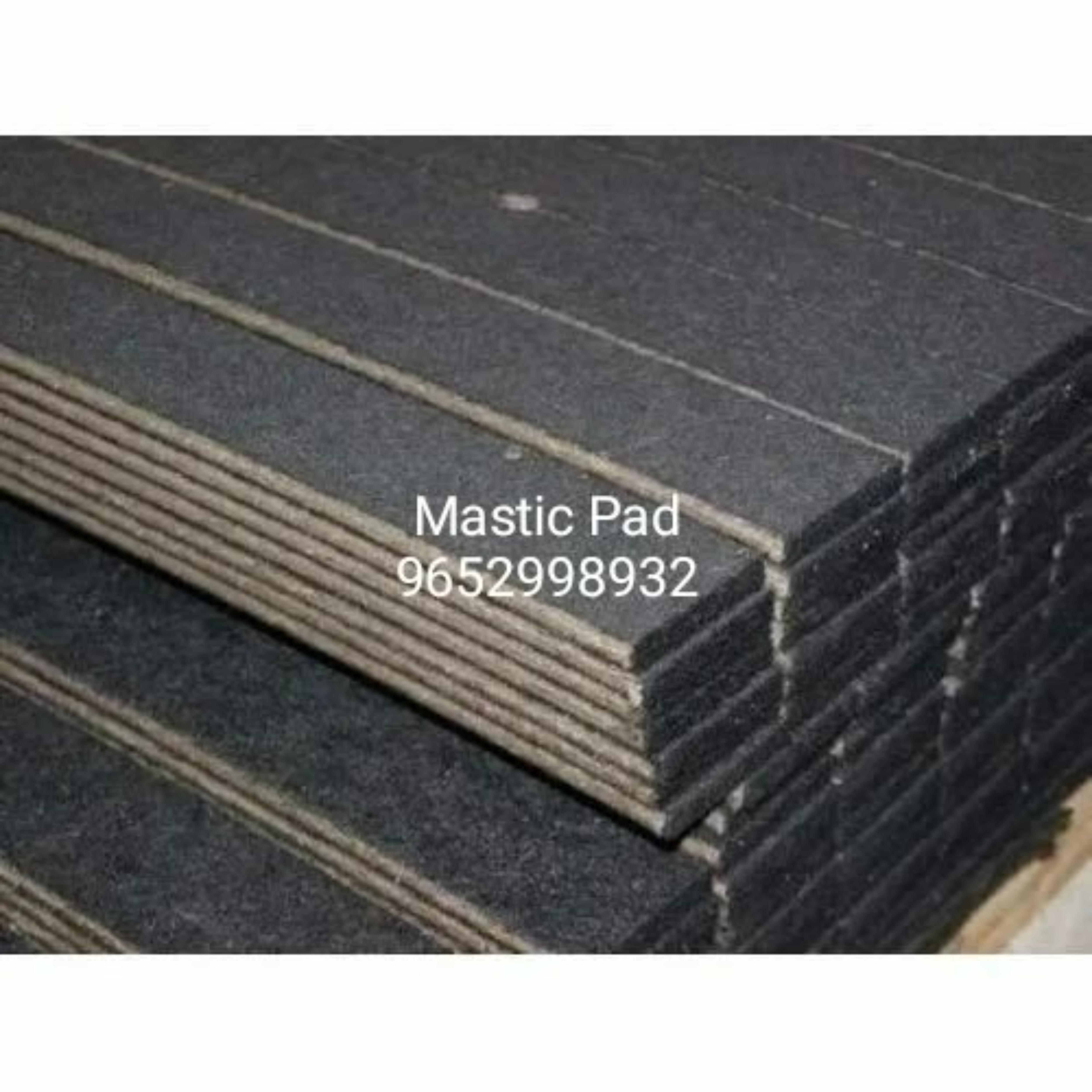
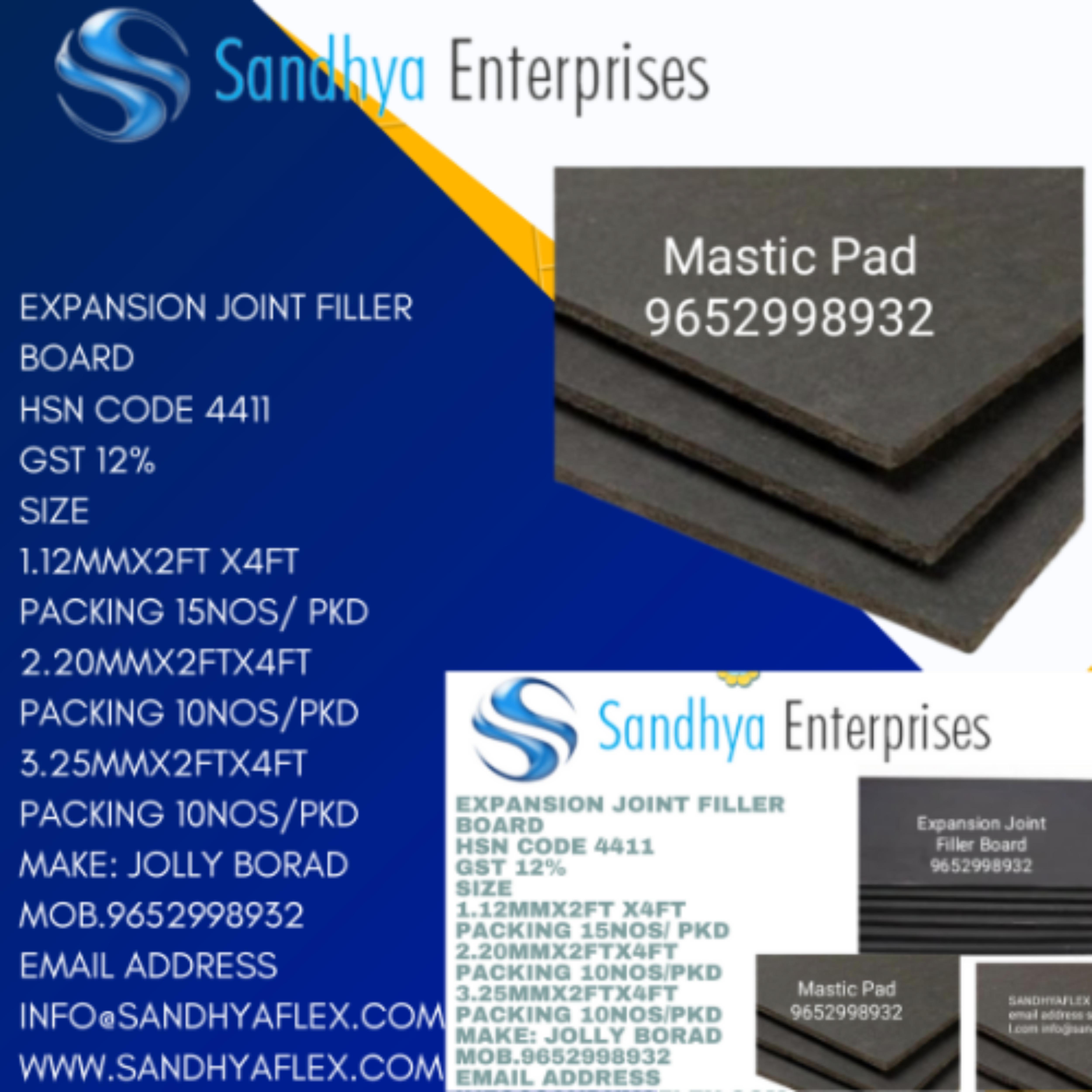
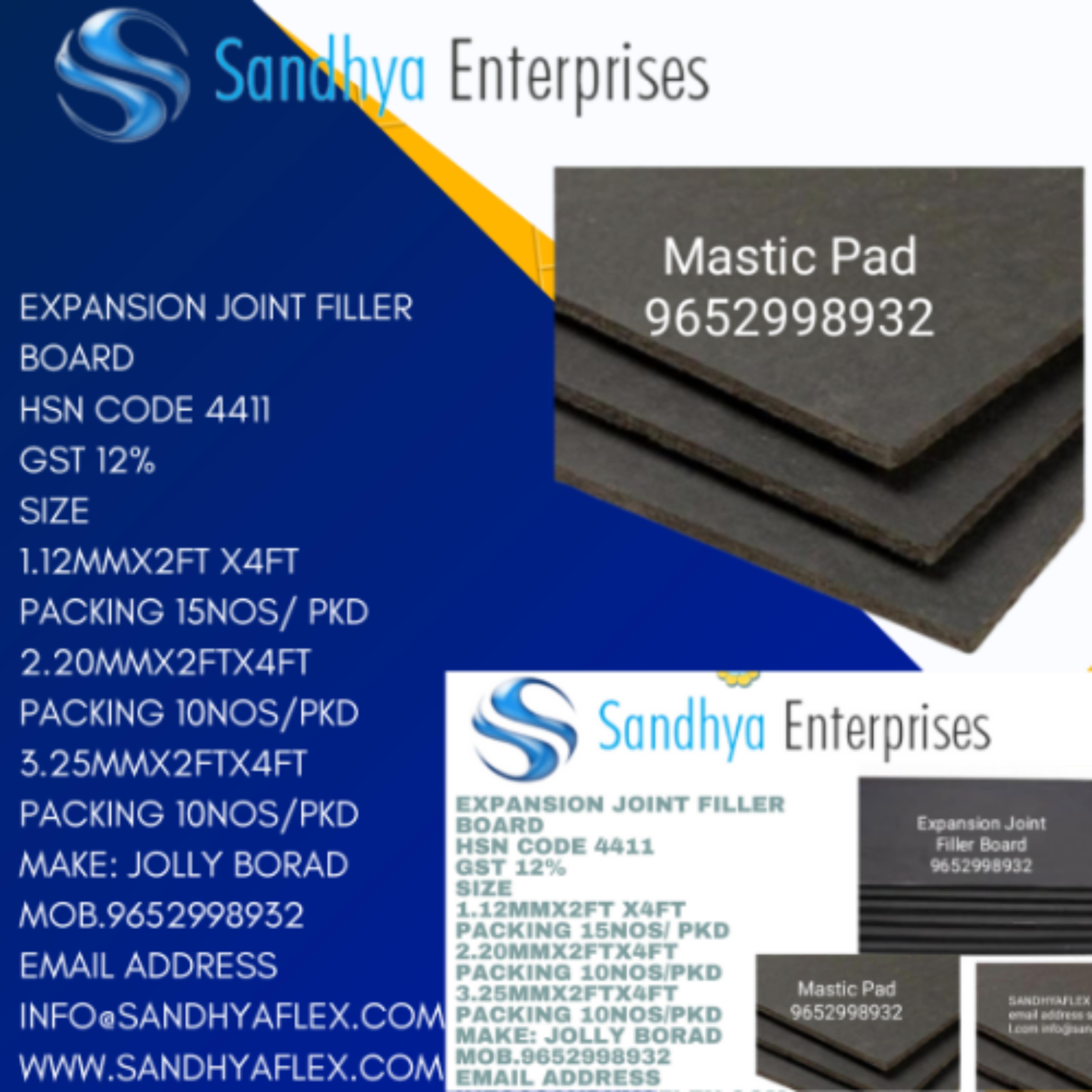
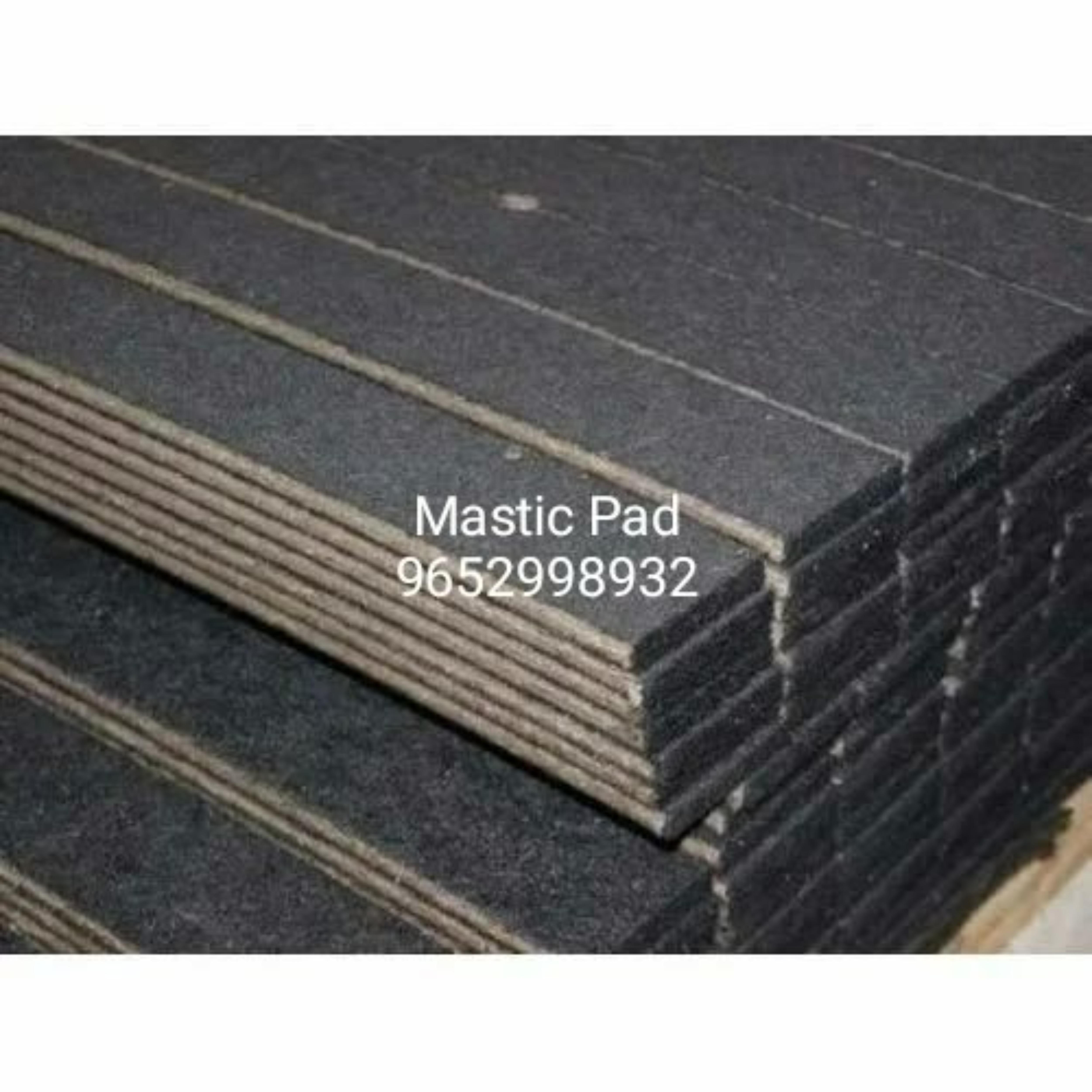
Expansion Joint Filler Board(Mastic Pad)
Price 330 INR/ Number
Expansion Joint Filler Board(Mastic Pad) Specification
- Density
- 500 Gram per cubic centimeter(g/cm3)
- Hardness
- 50 to 80 Shore A
- Tolerance
- +/- 3 mm
- Water Absorption
- Less than 5%
- Weight
- Depends on size and thickness
- Natural Rubber
- No
- Usage & Applications
- Used as expansion joint filler pad in concrete, construction, bridges, and buildings to absorb movements and prevent cracks.
- Tensile Strength
- Min 2.0 N/mm
- Size
- Custom sizes available
- Thermal Conductivity
- Low
- Style
- Board, Pad
- Color
- Black
- Resistance level
- High resistance to chemicals and moisture
- Length
- 1000 mm to 2400 mm
- Volatile Matter (%)
- Less than 2%
- Flame Resistance Level
- Good (self-extinguishing properties)
- Part Type
- Sheet/Board
- Material
- Bitumen, fibre, or mastic asphalt, sometimes with bituminous coating
- Surface Finish
- Smooth, bituminous coated
- Feature
- Rot proof, water resistant, weather resistant, compressible
- Product Type
- Expansion Joint Filler Board (Mastic Pad)
- Temperature Resistance
- Up to 120C
- Components
- Fiber board, mastic coating
- Compression Ratio
- 50% without extrusion
- Ash %
- Max 2%
- Thickness
- 10 mm to 100 mm or customized
- Width
- 100 mm to 1200 mm
- Odour
- Odour-free
- Installation
- Easy to cut, fit, and install
- Packaging
- Shrink wrapped or custom packing
- Storage Conditions
- Store in dry and ventilated areas
- Impact Resistance
- High
- Edge Protection
- Bituminized edges for longer durability
- Flexibility
- Excellent (flexible under load movement)
- Environmental Impact
- Non-toxic, recyclable material
- Shelf Life
- Indefinite under recommended storage
- Standards Compliance
- IS:1838 (Part 1) 2016
- Applications Environment
- Indoor and Outdoor (exposed to weather or submerged)
- Chemical Resistance
- Resistant to acids, alkalis, and salts
- Shape Retention
- Retains shape under load and heat
Expansion Joint Filler Board(Mastic Pad) Trade Information
- Minimum Order Quantity
- 100 Number
- Payment Terms
- Cash in Advance (CID)
- Supply Ability
- 100 Per Day
- Delivery Time
- 7 Days
- Packaging Details
- Export Packing Dimension in CBM Expansion Joint Filler Board Size 2 Feet and 4Feet Color Block S No Dimension Weight/Nos Each PKD/Nos Packing in Total Box Weight Kg/Pkd Lenght Width Thickness CBM 1 8mm x2ftx4ft 2.016 15 15 30.240 0.60 1.20 0.120 0.0864 2 10mm x2ftx4ft 2.520 15 15 37.800 0.60 1.20 0.150 0.108 3 12mm x2ftx4ft 3.024 15 15 45.360 0.60 1.20 0.180 0.1296 4 14mm x2ftx4ft 3.520 15 15 52.800 0.60 1.20 0.210 0.1512 5 16mm x2ftx4ft 4.032 15 15 60.480 0.60 1.20 0.240 0.1728 6 18mm x2ftx4ft 4.536 10 10 45.360 0.60 1.20 0.180 0.1296 7 20mm x2ftx4ft 5.040 10 10 50.400 0.60 1.20 0.200 0.144 8 22mm x2ftx4ft 5.440 10 10 54.400 0.60 1.20 0.220 0.1584 9 25mm x2ftx4ft 6.300 10 10 63.000 0.60 1.20 0.250 0.180
- Main Export Market(s)
- Asia
- Main Domestic Market
- All India
- Certifications
- ISO 9001 2015
Expansion Joint Filler Board(Mastic Pad) About
Expansion joint filler boards are essential materials used in construction to accommodate movement in concrete structures and prevent damage caused by thermal expansion, contraction, or seismic activity. Here's how they are used and where they are applied:
1. Concrete Slabs and Pavements Expansion joint filler boards are commonly used in large concrete slabs, such as highways, airport runways, and industrial flooring. They are placed between concrete sections to absorb movement caused by temperature changes and prevent cracking.
2. Bridges and Overpasses In bridge construction, expansion joint filler boards are installed between bridge deck sections to allow for movement due to temperature fluctuations and vehicle loads. They help prevent damage to the structure and maintain the integrity of the bridge.
3. Buildings and Structures Expansion joint filler boards are used in various types of buildings, including commercial buildings, residential complexes, and industrial facilities. They are placed in joints between concrete elements like floors, walls, and columns to accommodate movement caused by settlement, shrinkage, or seismic activity.
4. Parking Decks and Garages Expansion joint filler boards are installed in parking decks and garages to accommodate movement caused by vehicle traffic and temperature changes. They help prevent cracking and deterioration of the concrete surface, ensuring the longevity of the structure.
5. Water Retaining Structures In water retaining structures such as reservoirs, dams, and water tanks, expansion joint filler boards are used to accommodate movement caused by water pressure and temperature changes. They help maintain the integrity of the structure and prevent water leakage.
6. Railway Tracks and Platforms Expansion joint filler boards are used in railway construction to provide a cushioning layer between concrete slabs or tracks. They absorb movement caused by train traffic and temperature changes, reducing wear and tear on the infrastructure.
7. Airport Facilities Expansion joint filler boards are installed in airport runways, taxiways, and aprons to accommodate movement caused by aircraft traffic and temperature changes. They help maintain the smooth surface of the runway and prevent damage to the concrete.
8. Concrete Repair and Restoration Expansion joint filler boards are used in concrete repair and restoration projects to replace old or damaged joint fillers. They help restore the functionality of the expansion joints and prevent further deterioration of the structure.
Overall, expansion joint filler boards play a crucial role in construction projects by providing flexibility and resilience to concrete structures, ensuring their durability and longevity in various applications.
Superior Standards and Durability
Compliant with IS:1838 (Part 1) - 2016, our Expansion Joint Filler Board delivers exceptional quality and durability. Its robust bituminized edges grant optimal protection against moisture and wear, contributing to a longer service life in both indoor and outdoor conditions. Designed for high impact resistance and excellent flexibility, it reliably absorbs load movements and retains shape under stress and temperature fluctuations.
Easy Installation and Maintenance
The mastic pad is engineered for simplicity, allowing quick cutting, fitting, and installation on-site. Its compressible structure adapts seamlessly to varying joint widths and building requirements. The board is rot-proof, water and weather resistant, requiring minimal maintenance, and remains odour-free and non-toxic throughout its use, promoting safe and clean working environments.
Eco-Friendly and Customizable
Manufactured from fibre board and mastic coatings, the filler board is recyclable and environmentally responsible. Clients can choose custom sizes, thicknesses, and packaging-shrink-wrapped or tailored-ensuring every project's needs are precisely met. With low thermal conductivity, high chemical resistance, and excellent flame self-extinguishing properties, it serves across a broad range of industries.
FAQ's of Expansion Joint Filler Board(Mastic Pad):
Q: How is the Expansion Joint Filler Board installed in concrete or structural joints?
A: The board is easy to cut and fit using basic tools, ensuring a snug placement within the expansion joints. Simply insert the pad between the concrete sections, trimming as needed for custom sizes, and secure it as directed. Its flexible nature allows adaptation to movement and irregular joint widths.Q: What standards does the mastic pad comply with and why is this important for construction?
A: The product is manufactured according to IS:1838 (Part 1) - 2016 standards, which establishes its reliability and performance for structural applications. Compliance ensures that it meets stringent durability, flexibility, and safety criteria demanded in civil construction, bridge building, and other critical environments.Q: Where can Expansion Joint Filler Boards be used and in what conditions?
A: These boards are suitable for use in a variety of environments, including indoor and outdoor settings, areas exposed to weather, or submerged locations such as bridges, roads, water tanks, and buildings. Their water, chemical, and weather resistance capabilities allow installation in harsh or variable conditions.Q: What are the main benefits of choosing a bituminized edge filler board?
A: Bituminized edges enhance the board's durability, shielding against water ingress, edge damage, and environmental wear. This feature prolongs the life of the joint filler, reduces maintenance, and ensures reliable protection against expansion and contraction stresses.Q: How long can these expansion joint fillers be stored and what are the recommended storage conditions?
A: The shelf life is indefinite when stored in dry and well-ventilated areas. Keeping the boards away from moisture and direct sunlight preserves their integrity and performance until ready for use.Q: What makes the mastic pad environmentally friendly and safe for use?
A: Composed of recyclable materials and free from toxic or volatile substances, the board is non-toxic and odour-free. Its production and use align with environmental safety standards, minimizing the ecological footprint in construction.Q: What chemical and impact resistance properties does the board offer?
A: The filler board exhibits high resistance to acids, alkalis, salts, and moisture, as well as excellent impact tolerance. This ensures long-lasting performance under diverse chemical exposures and mechanical stresses in both standard and extreme operational settings.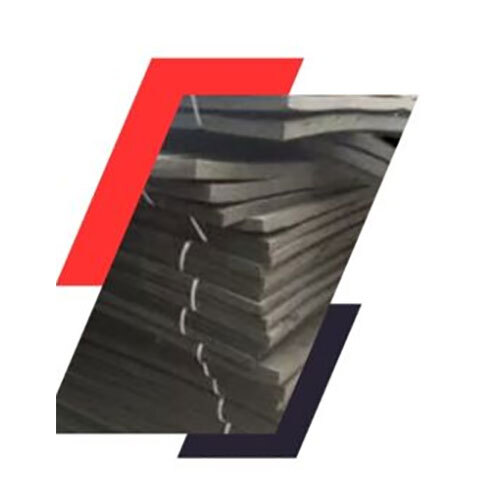


Tell us about your requirement

Price:
Quantity
Select Unit
- 50
- 100
- 200
- 250
- 500
- 1000+
Additional detail
Mobile number
Email

More Products in Rubber Products Category
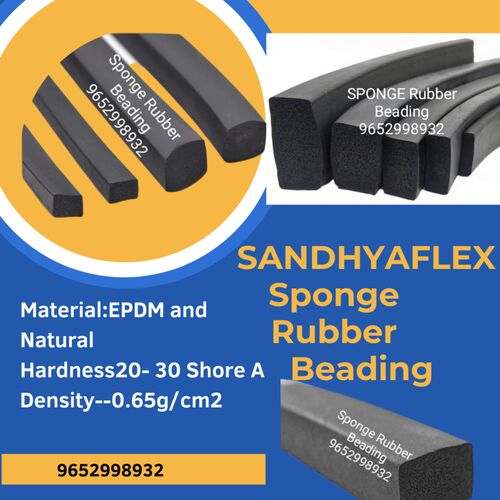
Sponge Rubber Profiles
Price 80 INR / Meter
Minimum Order Quantity : 100
Rubber Type : Sponge / closed cell
Compression Ratio : Up to 50%
Components : Single or multicomponent as required
Temperature Resistance : 40C to +120C (EPDM), up to +200C (Silicone)
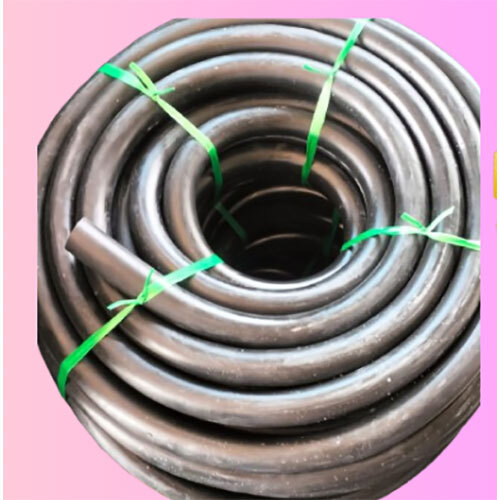
SANDHYAFLEX 10mm Gap Vibrating Screen Rubber Beading
Price 210.0 INR
Minimum Order Quantity : 1 Meter
Rubber Type : Natural Rubber/SBR
Compression Ratio : Up to 30%
Components : Rubber, Additives, Stabilizers
Temperature Resistance : 25C to +80C
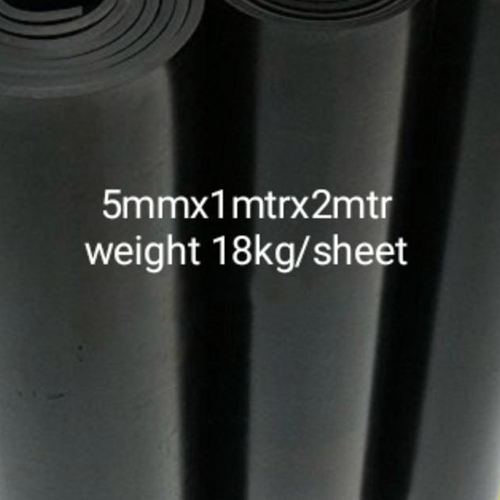
5mmx1mtrx 2Mtr Plain Rubber Sheet
Price 55.0 INR / Kilograms
Minimum Order Quantity : 1 Kilograms
Rubber Type : General Purpose Rubber
Compression Ratio : Excellent Compression Set
Components : Rubber Polymer, Additives
Temperature Resistance : 20C to +70C
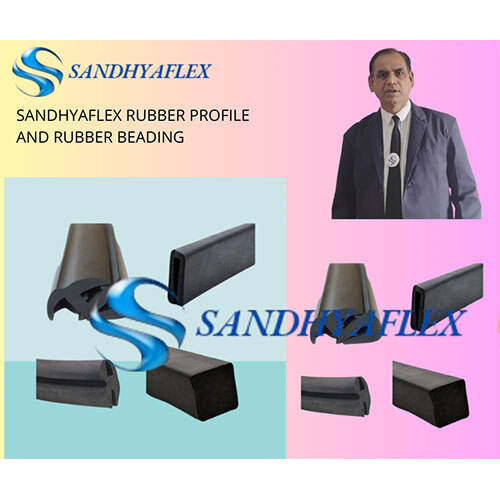
Rubber Beading
Price 11.9 INR
Minimum Order Quantity : 1 Meter
Rubber Type : EPDM/Natural/Nitrile as per application
Compression Ratio : 1530%
Components : Single or multicomponent extrusion
Temperature Resistance : 40C to +120C


 Send Inquiry
Our Products
- PVC Water Stopper
- Rubber Gaskets
- Industrial Rubber Hoses
- Elastomeric Bridge Bearing
- Bellow And Expansion Joint
- Drainage Spout
- LDPE Sheets
- Speed Breaker
- PVC Granules
- PVC Water Bar
- Rubber Products
- Tie Rod
- Braided Pipe
- Bridge Expansion Joint
- Dam Gate Seal
- pvc water stopper
- Cement Feeding Rubber Hose
- Slurry Rubber Hose
- Water Suction and Discharge Rubber Hose
- Oil Suction and Discharge Rubber Hose
- Water Swellable Bar
- Electrical Insulating Mat
- Dewatering Rubber Hose
- Strip Seal Expansion Joint
- Pot PTFE bridge Bearing
- Expansion joint Filler Board
- PVC Foot Step
- Curing Hessian Cloth
- Vibrating Screen Rubber Beading
- Carbon Free Rubber Hose
- Rubber corner guard


24-1223/8/A, AMBEDKAR NAGAR, Gajularamaram,Hyderabad - 500055, Telangana, India

Mr Mithilesh Chaudhary
(Proprietor)
Mobile :08071781474
 Send Inquiry
 Send SMS
Developed and Managed by Infocom Network Private Limited.
