
Call us now :08071781474
 Send Inquiry
 Send Inquiry
Elastomeric Bearings
Price 5000.0 INR/ Number
MOQ : 1 Number
Elastomeric Bearings Specification
- Inside Diameter
- As per design specification
- Cage Material
- Not applicable (no cages)
- Lubrication Type
- Not required, maintenance-free
- Thickness
- 20 mm to 200 mm
- Precision Rating
- Conforms to IRC:83/IS:3400 Standards
- Bearing Type
- Elastomeric Bridge Bearing
- Material
- Natural rubber or neoprene plus steel plates
- Structure
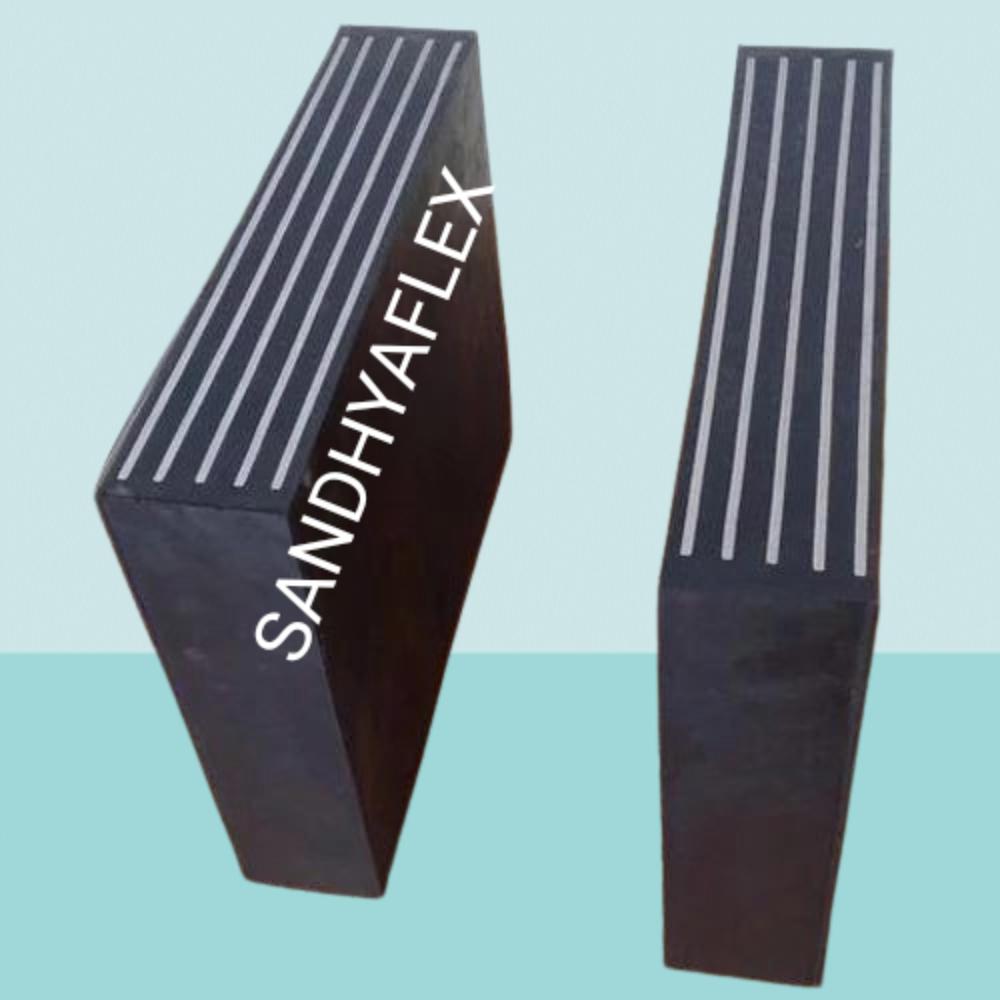
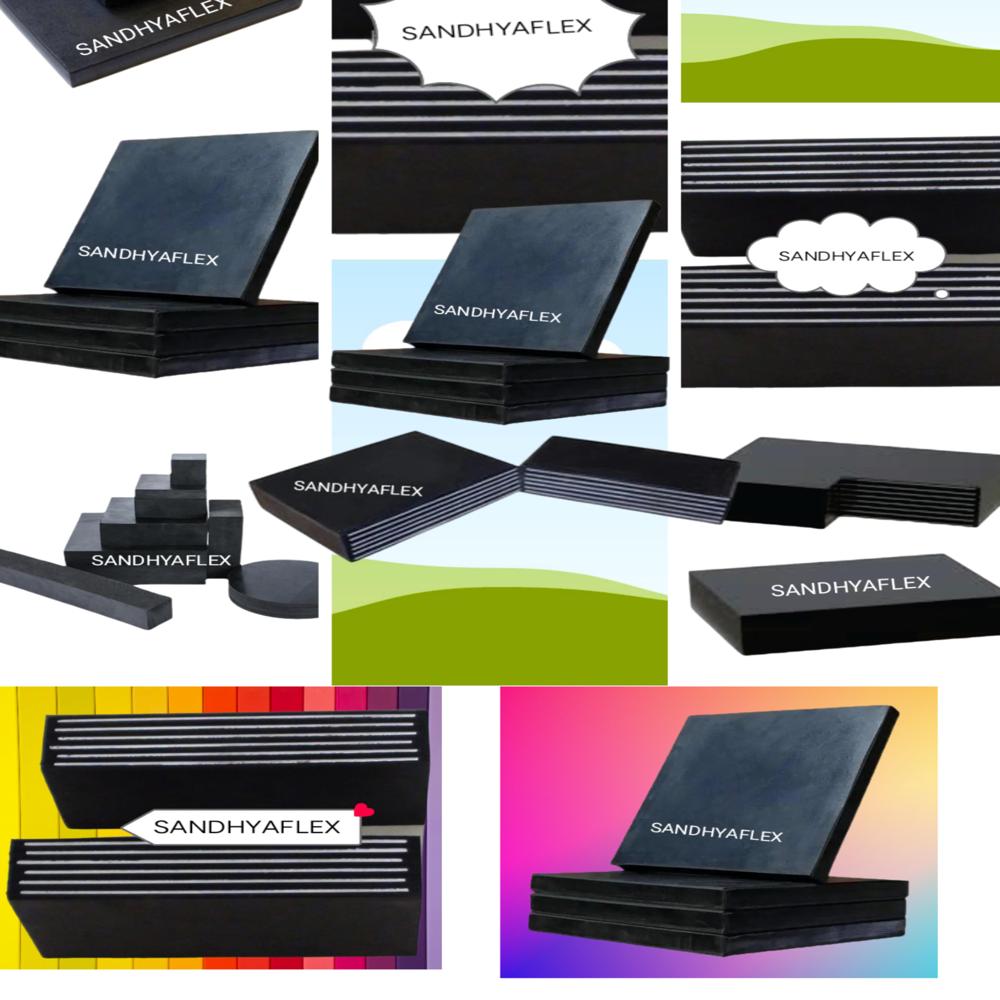
- Laminated elastomeric layers with steel plates
- Seals Type
- N/A (solid rubber/steel integration)
- Number Of Rows
- Single or multiple, as per requirement
- Bore Size
- Customizable, as per project
- Outside Diameter
- Up to 1500 mm or as specified
- Limiting Speed
- Not applicable for structural bearings
- Load Capacity
- Up to 5000 kN or custom
- Movement Accommodation
- Horizontal displacement up to ±50 mm
- Vertical Rotation Capacity
- Up to 0.02 rad
- Application
- Bridge, Flyover, and Building Structure Support
- Shear Modulus
- 0.9-1.2 MPa
- Compliance Standard
- MORT&H, IRC:83, BIS IS:3400/IS:1337
- Resistance
- UV, ozone, and weather resistant
- Color
- Black
- Operating Temperature Range
- -40°C to +70°C
- Shape
- Rectangular, Square, or Circular
Elastomeric Bearings About
You're likely referring to elastomeric bearings a key component in bridge and structural engineering.
Lets break it down:
What Is an Elastomeric Bearing?
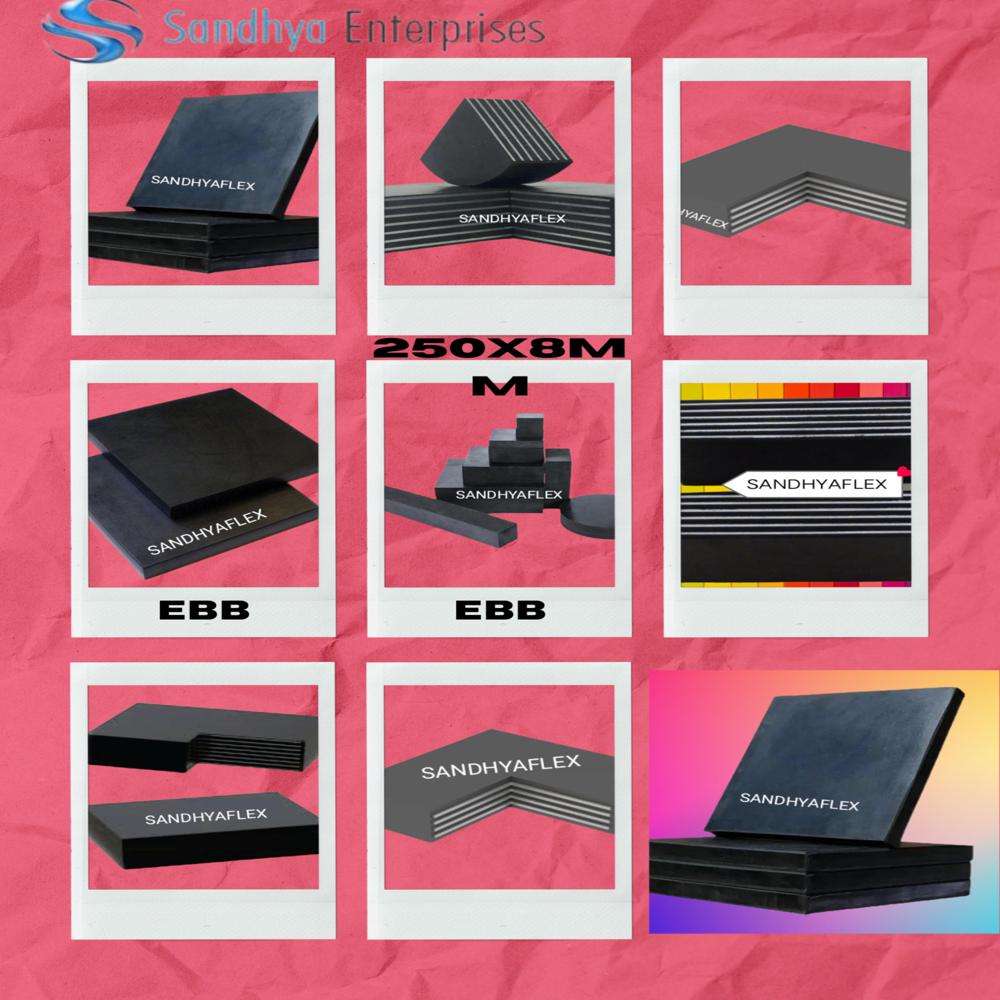
An elastomeric bearing (sometimes mistakenly called elostomeric) is a type of bridge bearing made from layers of rubber (elastomer) usually natural rubber or neoprene often reinforced with steel plates. These allow for controlled movement between structural elements.
Function and Purpose
Elastomeric bearings help with:
-
Load transfer: Carry vertical and horizontal loads from the bridge deck to the substructure.
-
Thermal expansion/contraction: Accommodate movement caused by temperature changes.
-
Vibration and shock absorption: Especially from traffic or seismic activity.
-
Rotation: Allow rotation due to loads or deflection.
Types of Elastomeric Bearings
-
Plain Elastomeric Bearings
-
Just rubber pads
-
Used for light-duty structures
-
-
Laminated Elastomeric Bearings
-
Layers of elastomer and steel plates
-
Higher load capacity and durability
-
-
Pot Bearings / Spherical Bearings
-
Advanced versions used for very large spans or specialized movement
-
Common Specs
| Parameter | Typical Value / Range |
|---|---|
| Material | Neoprene or Natural Rubber |
| Hardness | 60 5 Shore A |
| Load Capacity | Depends on size, usually up to 1,000 kN+ |
| Size Range | Varies by project needs |
| Movement Accommodation | 20 mm to 100 mm or more |
| Temperature Resistance | -25C to +70C (standard neoprene) |
Standards Followed
-
IRC:83 (Part II) Indian Roads Congress
-
AASHTO American Association of State Highway and Transportation Officials
-
BS EN 1337 European standard
Want help choosing a type for a specific project? Or need supplier info/spec sheets? Let me know how technical you want to get!
Purpose-Built for Structural Support
Elastomeric bearings provide crucial support for bridges, flyovers, and building structures. Engineered for optimal performance, they handle heavy vertical loads and accommodate alignment changes due to temperature variations, seismic shifts, or vehicular movement. Their laminated construction ensures distribution of stresses, enhancing structure stability and lifespan.
Outstanding Resilience and Low Maintenance
These bearings are built from high-grade elastomers and steel, offering resistance to UV light, ozone, and environmental degradation. Their solid, cage-free design requires no lubrication, making them virtually maintenance-free. This robust construction ensures consistent performance and reliability over years of service.
Customization for Diverse Project Needs
Available in square, rectangular, or circular shapes, these bearings can be tailored in size (up to 1500 mm outside diameter, 20-200 mm thick) and load capacity (up to 5000 kN or custom). Bore size and configuration are also customizable to suit unique engineering requirements, providing flexibility for a variety of projects across India.
FAQ's of Elastomeric Bearings:
Q: How do elastomeric bearings function in bridge and building support applications?
A: Elastomeric bearings are installed between bridge decks or building beams and their supports, enabling smooth accommodation of structural movements caused by loading, thermal expansion, or seismic activity. Their layered design efficiently distributes loads and allows for horizontal and rotational movement, safeguarding structural integrity.Q: What is the process for selecting the right elastomeric bearing for a project?
A: Selection involves assessing project parameters such as load capacity (up to 5000 kN), required displacement (50 mm), rotation needs (up to 0.02 rad), shape, size, and compliance with standards like MORT&H, IRC:83, and BIS IS:3400/1337. Manufacturers tailor specifications such as diameter, thickness, and bore size to match engineering requirements.Q: When should elastomeric bearings be used over other bearing types?
A: Elastomeric bearings are ideal when structures require resilience to movement, temperature fluctuations, and weather exposure, without the need for regular maintenance or lubrication. Their solid, cage-free form is especially suitable for bridges, flyovers, or buildings subjected to dynamic forces or environmental extremes.Q: Where are these elastomeric bearings commonly installed in India?
A: These bearings are widely used in infrastructure and civil engineering across India, including new bridge constructions, flyover projects, and retrofits of existing building structures. They're supplied by approved dealers, manufacturers, and fabricators nationwide.Q: What are the main benefits of using elastomeric bearings for structural applications?
A: Key advantages include high load-bearing capacity, excellent movement and rotation accommodation, weather, UV, and ozone resistance, as well as compliance with strict Indian standards. Their maintenance-free operation and adaptability to custom designs make them a reliable choice for long-term durability in critical infrastructure.Q: How does the structure of the bearing contribute to its performance?
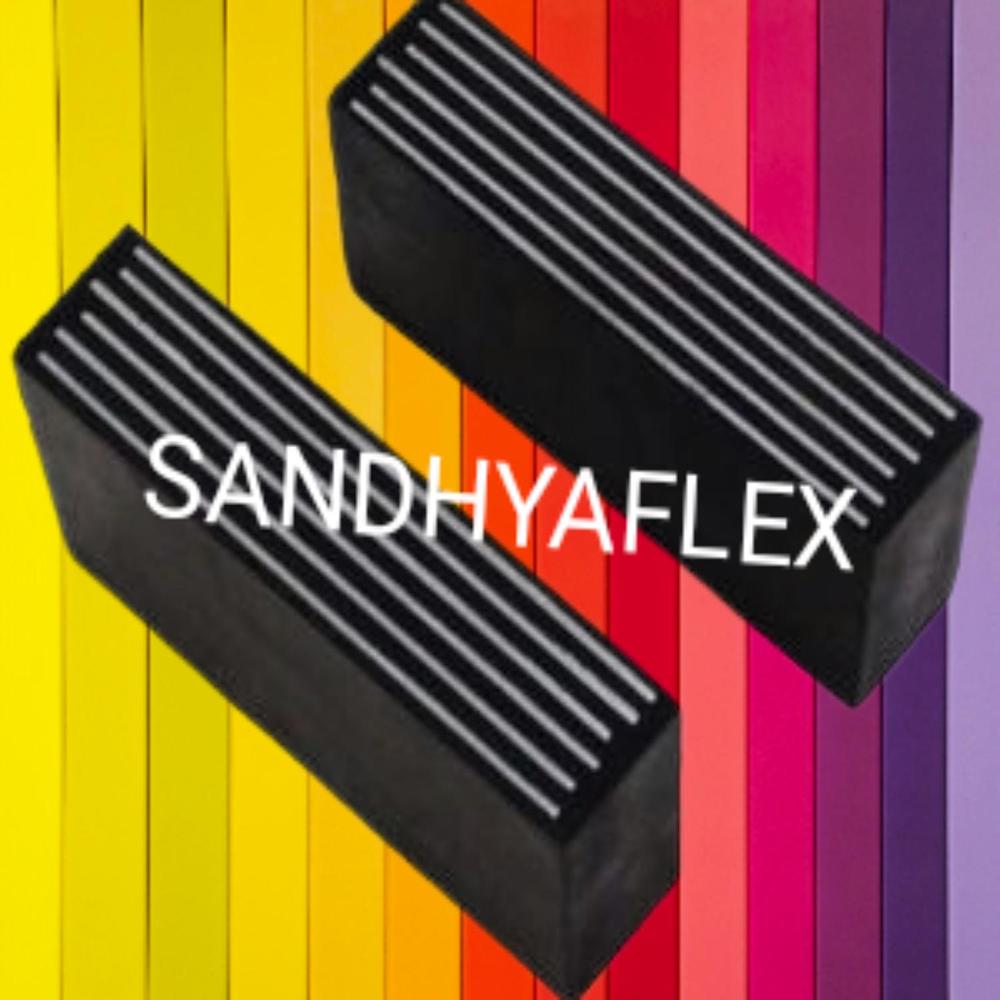
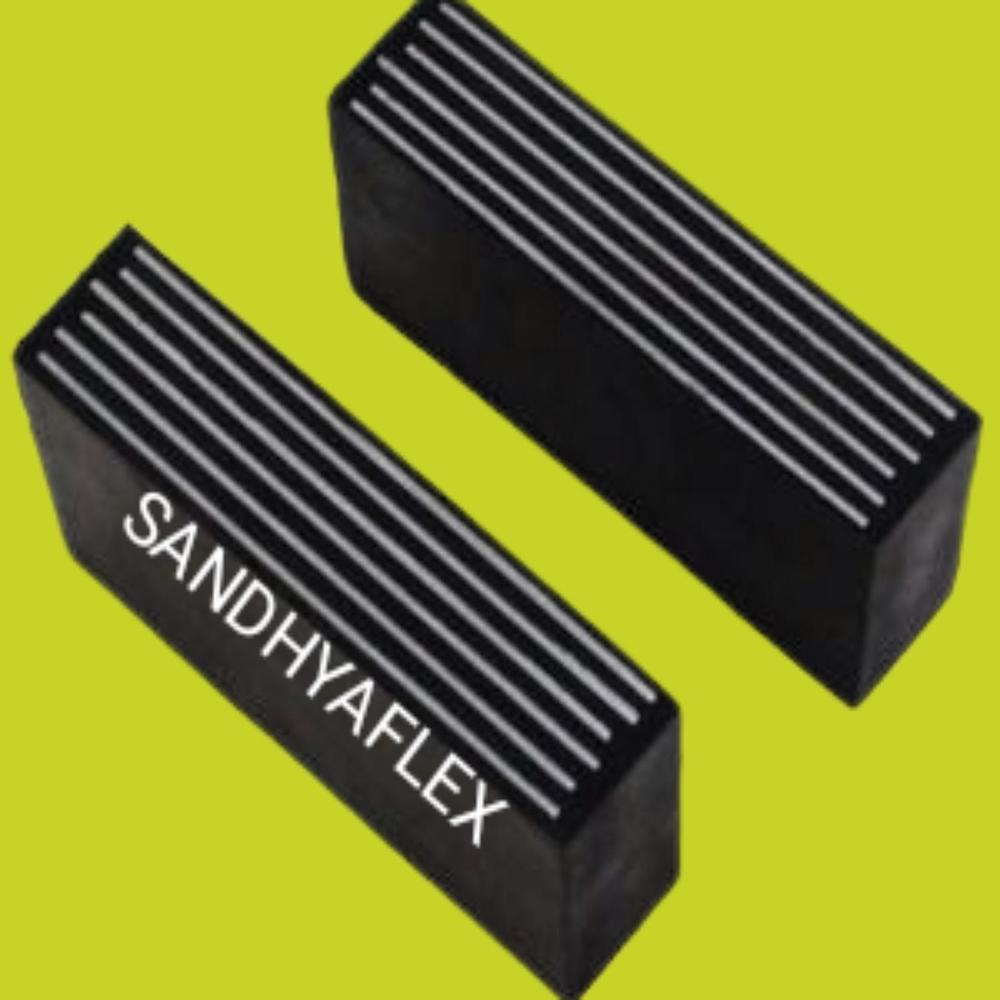
A: The laminated structure-integrating elastomeric layers and steel plates-prevents excessive deformation, evenly spreads loads, and resists environmental stresses. This ensures both flexibility for movement and robust strength for heavy-duty support in diverse conditions.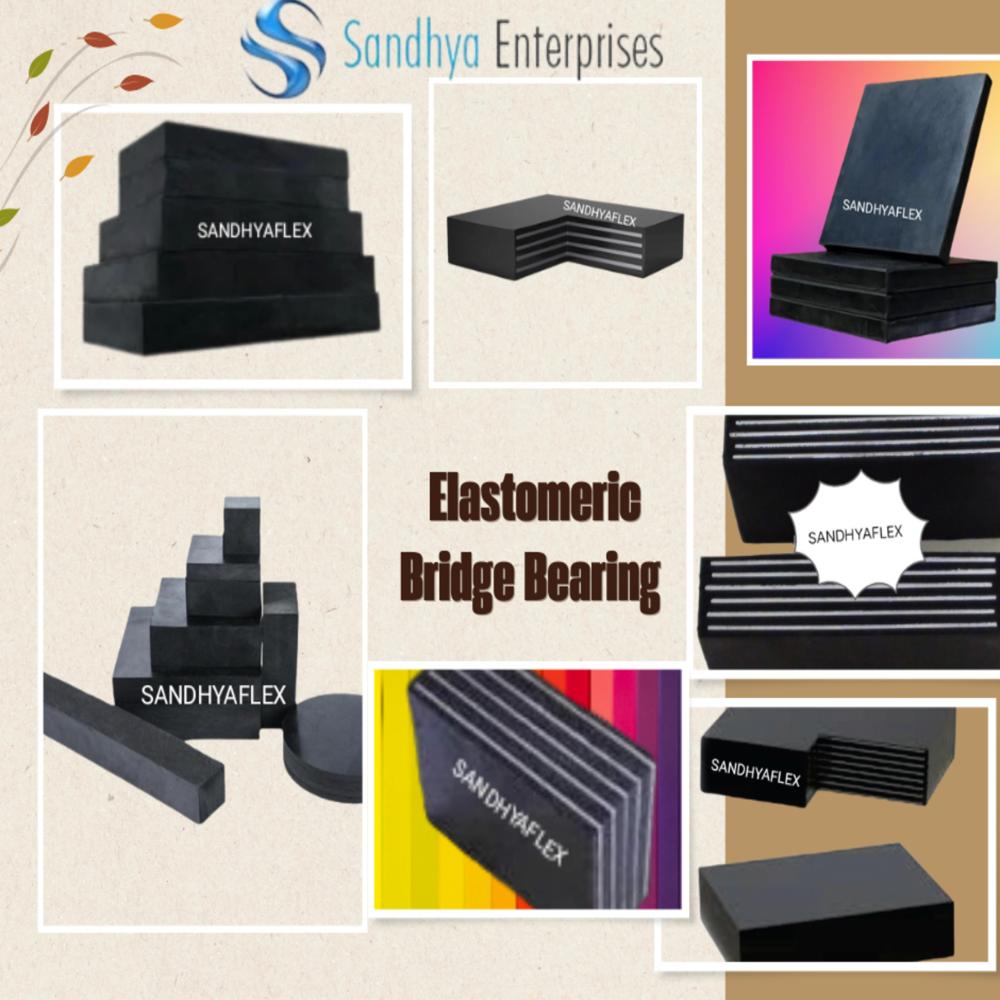
Tell us about your requirement

Price:
Quantity
Select Unit
- 50
- 100
- 200
- 250
- 500
- 1000+
Additional detail
Mobile number
Email

More Products in Elastomeric Bridge Bearing Category
Elastomeric Bridge Bearing
Price 0.36 INR / Piece
Minimum Order Quantity : 100000 Pieces
Material : Carbon Steel
Lubrication Type : Other
Number Of Rows : Single Row
Bearing Type : Other
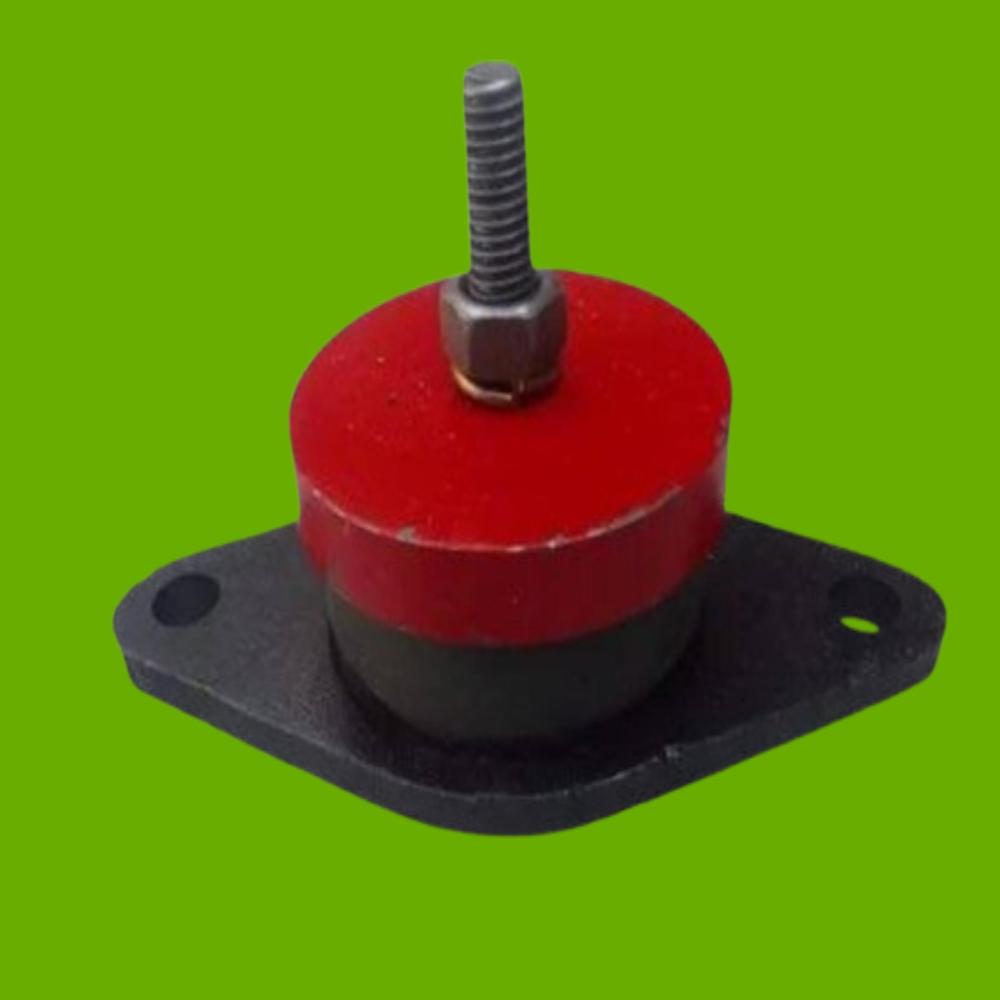
Mounting with Stud
Price 370.0 INR / Piece
Minimum Order Quantity : 1 Piece
Material : Other, Alloy Steel
Lubrication Type : Other, Prelubricated with Grease
Number Of Rows : Single Row
Bearing Type : Other, Stud Type Track Roller
Mounting with Stud
Price 370.0 INR / Piece
Minimum Order Quantity : 1 Piece
Material : Other, Chrome Steel (SUJ2)
Lubrication Type : Other, Prelubricated (Grease)
Number Of Rows : Single Row
Bearing Type : Other, Stud Type Track Roller
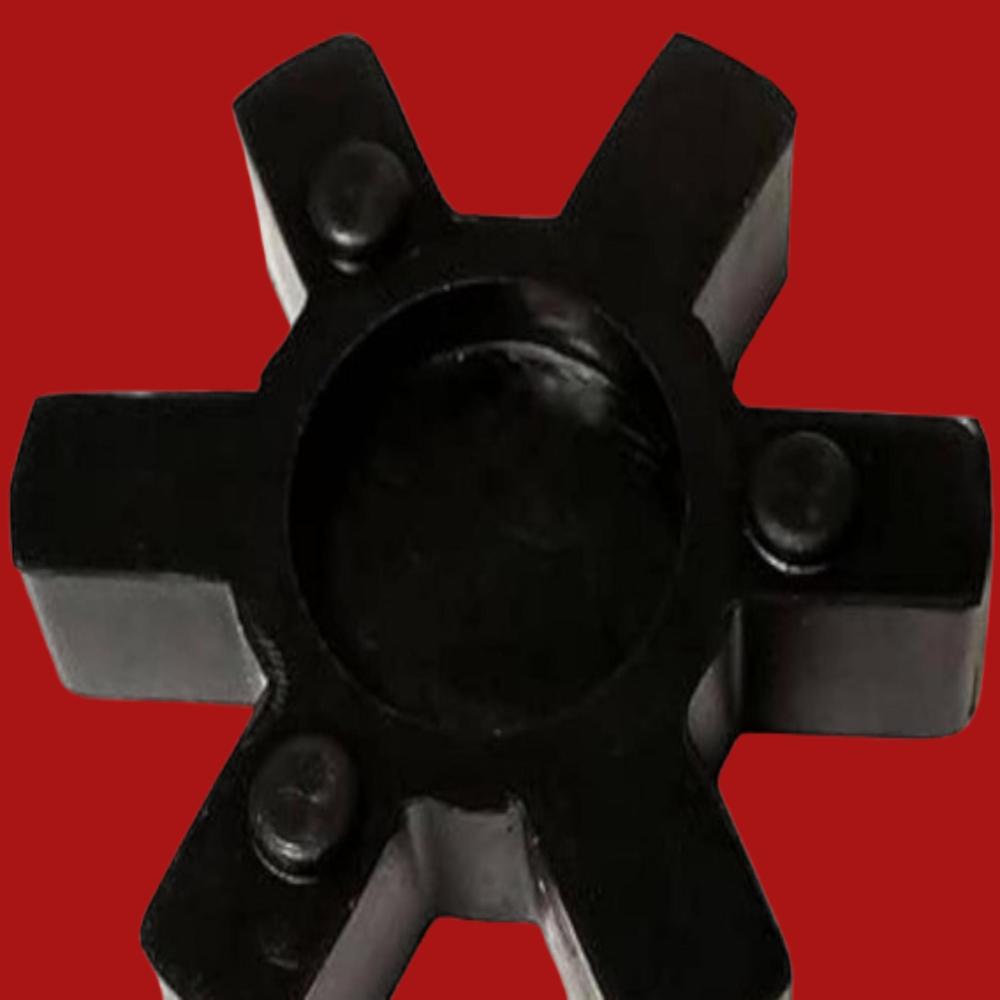
L Type Spider Seris Pad
Price 90.0 INR / Number
Minimum Order Quantity : 1 Number
Material : Other, High Quality Polyurethane Rubber
Lubrication Type : Other, No lubrication required (drytype flexible pad)
Number Of Rows : Single Row
Bearing Type : Other, Spider Coupling Pad


 Send Inquiry
Our Products
- PVC Water Stopper
- Rubber Gaskets
- Industrial Rubber Hoses
- Elastomeric Bridge Bearing
- Bellow And Expansion Joint
- Drainage Spout
- LDPE Sheets
- Speed Breaker
- PVC Granules
- PVC Water Bar
- Rubber Products
- Tie Rod
- Braided Pipe
- Bridge Expansion Joint
- Dam Gate Seal
- pvc water stopper
- Cement Feeding Rubber Hose
- Slurry Rubber Hose
- Water Suction and Discharge Rubber Hose
- Oil Suction and Discharge Rubber Hose
- Water Swellable Bar
- Electrical Insulating Mat
- Dewatering Rubber Hose
- Strip Seal Expansion Joint
- Pot PTFE bridge Bearing
- Expansion joint Filler Board
- PVC Foot Step
- Curing Hessian Cloth
- Vibrating Screen Rubber Beading
- Carbon Free Rubber Hose
- Rubber corner guard


24-1223/8/A, AMBEDKAR NAGAR, Gajularamaram,Hyderabad - 500055, Telangana, India

Mr Mithilesh Chaudhary
(Proprietor)
Mobile :08071781474
 Send Inquiry
 Send SMS
Developed and Managed by Infocom Network Private Limited.
