
Call us now :08071781474
 Send Inquiry
 Send Inquiry
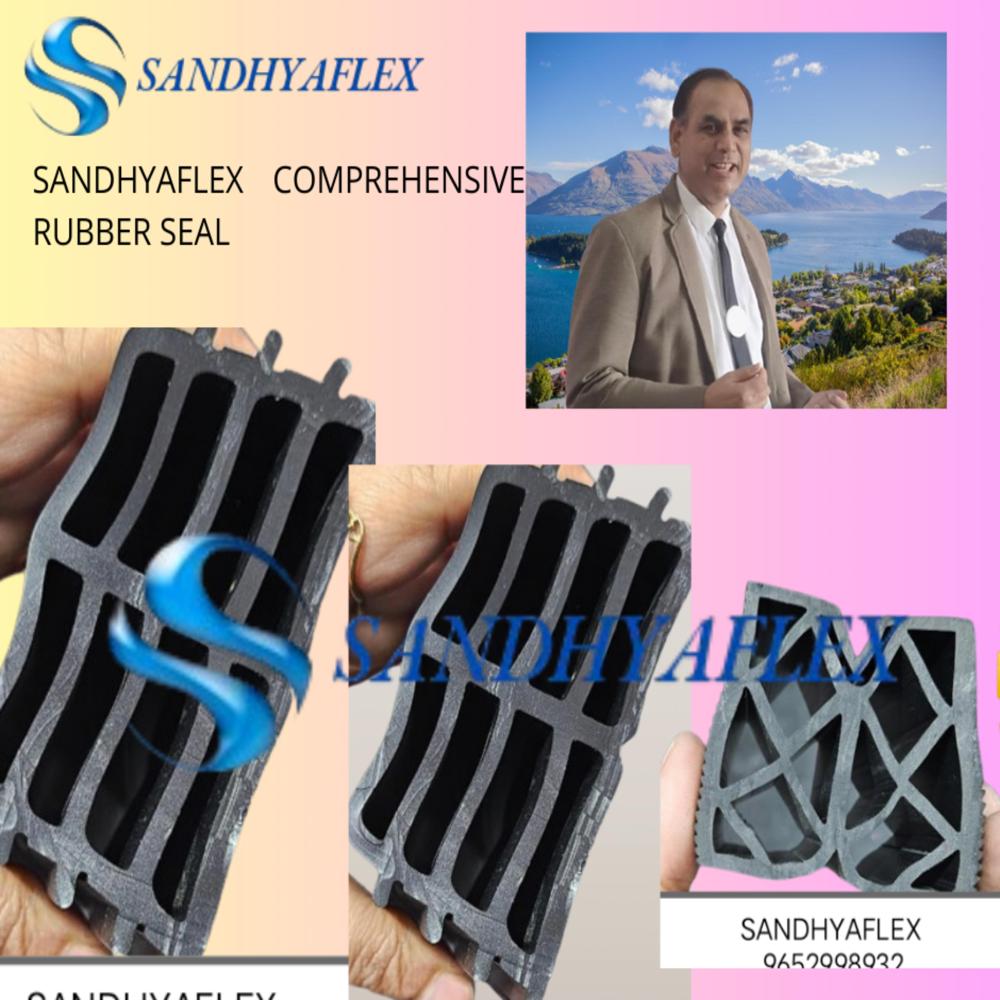
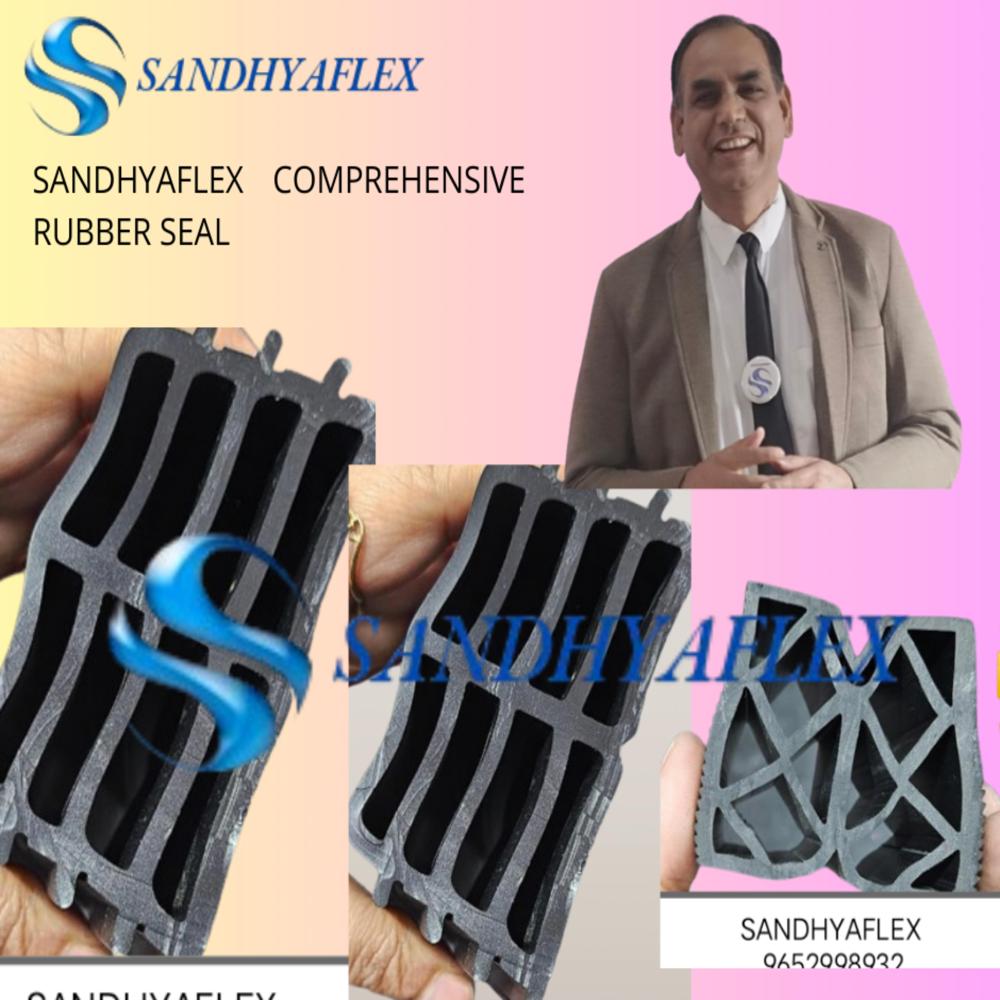
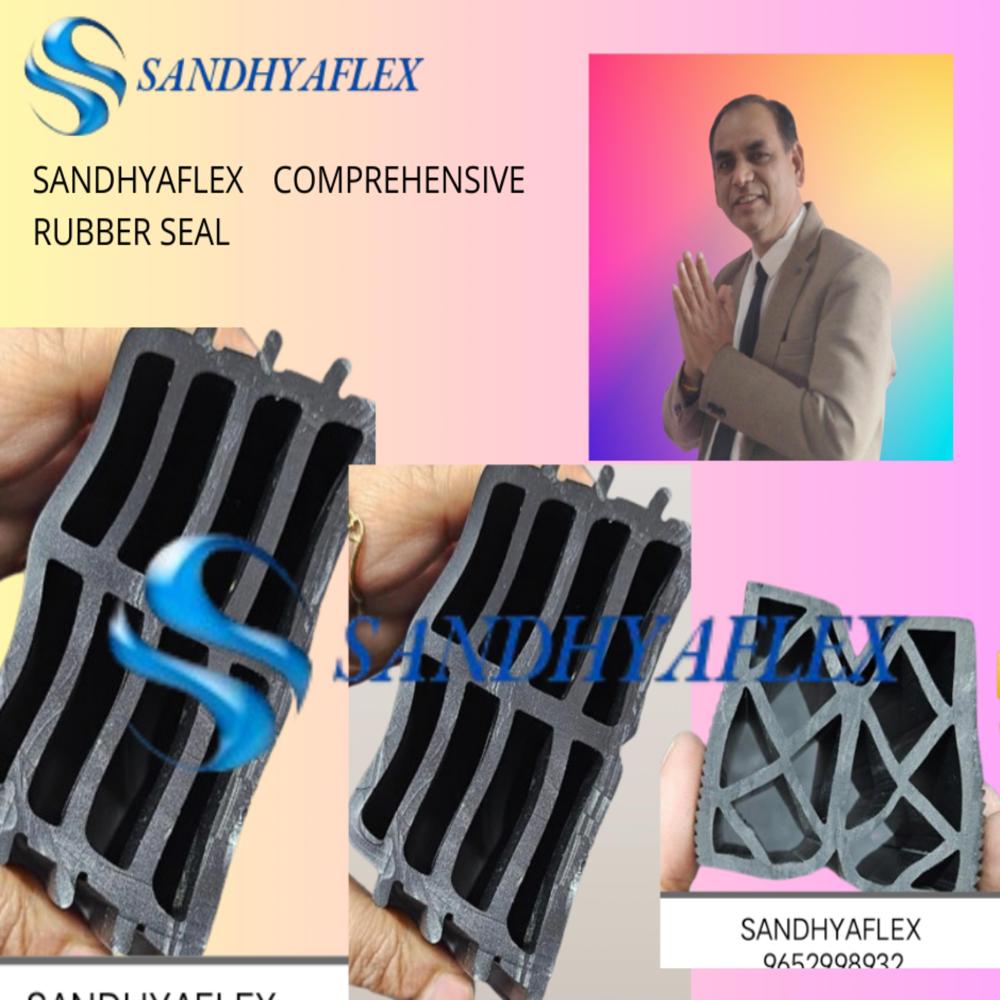
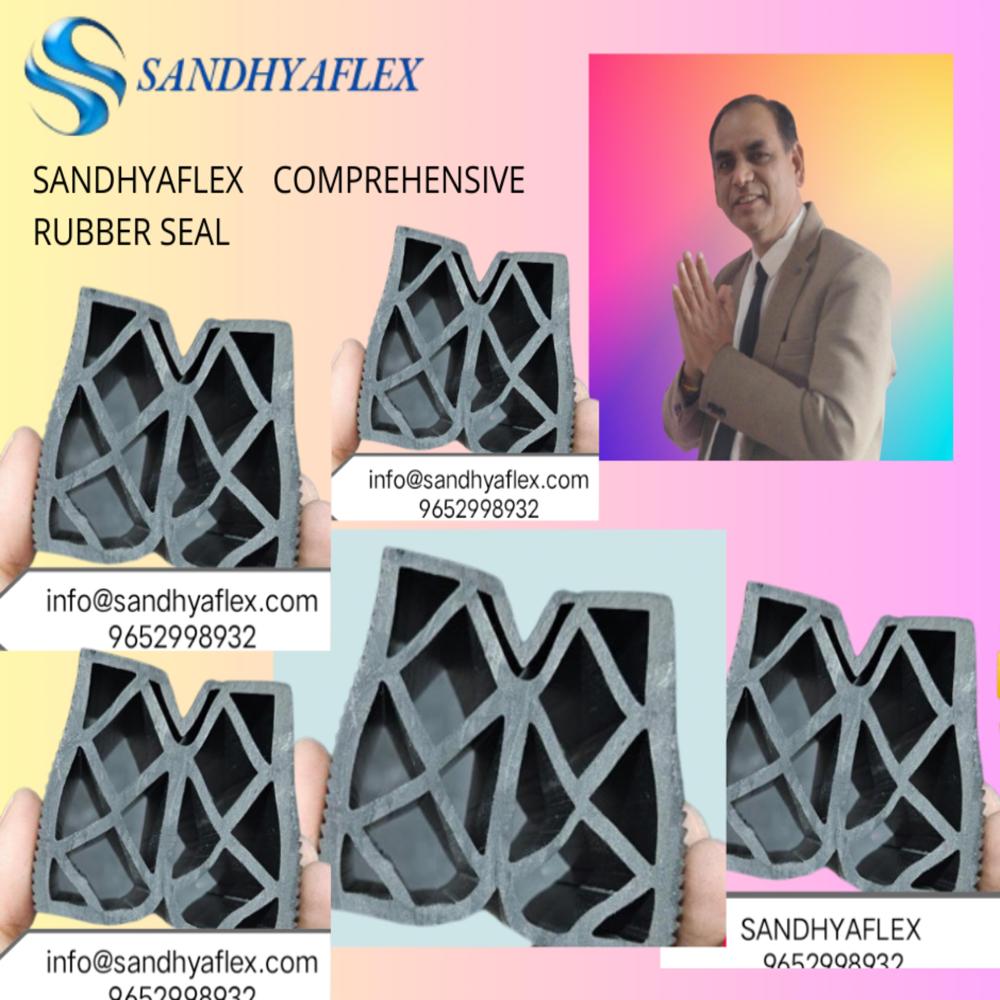
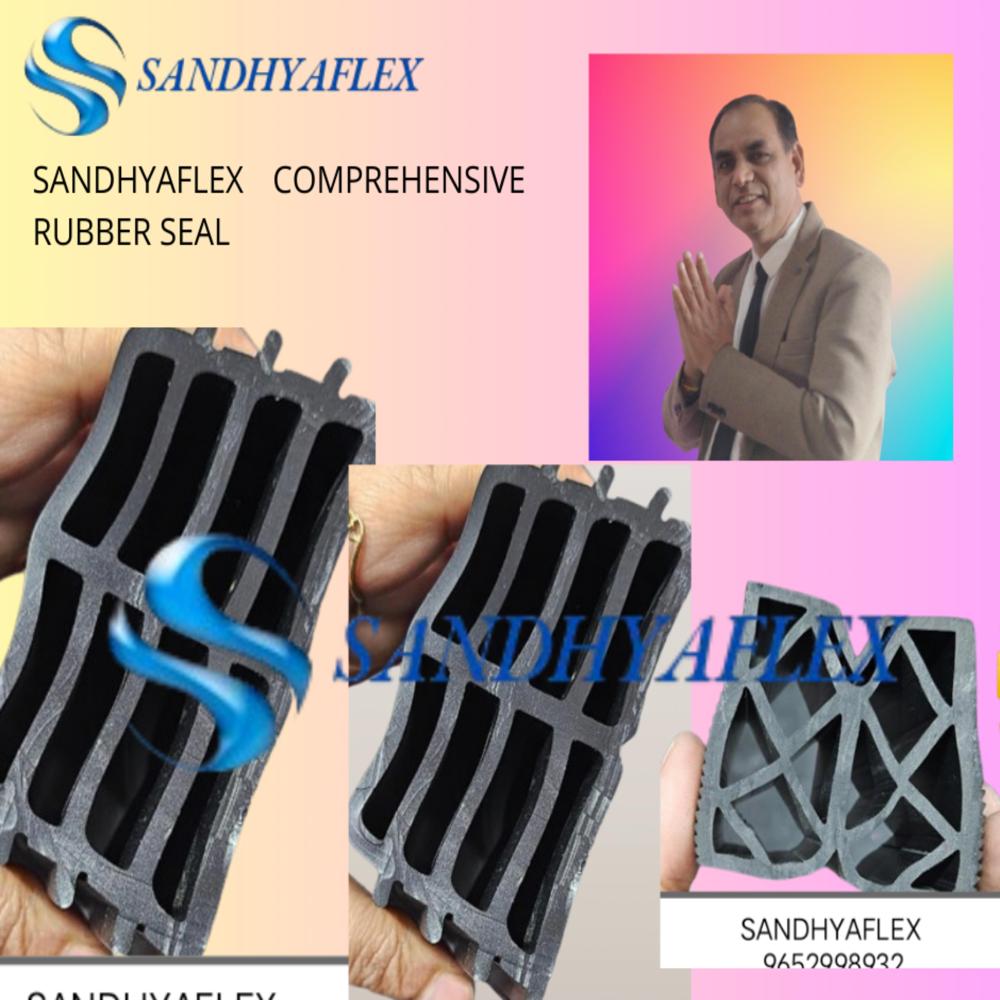
Compression Rubber Seal
Price 450.00 INR/ Meter
MOQ : 1 Meter
Compression Rubber Seal Specification
- Display Type
- No
- Color
- Gray
- Thickness
- 5 Millimeter (mm)
- Material
- EPDM(Ethylene Propylene Diene Monomer)
- Usage
- Industrial
- Size
- Standard
- Width
- 10 Millimeter (mm)
About Compression Rubber Seal
A compression rubber seal is a type of sealing material designed to prevent the leakage of air, water, gases, or other fluids by creating a tight and secure seal when compressed between two surfaces. It works by deforming under pressure to fill in gaps or irregularities in the mating surfaces, thus maintaining a leak-proof seal. These seals are widely used in various applications across industries such as automotive, construction, HVAC, and industrial machinery, where a reliable seal is required to maintain system integrity and efficiency.
Key Features of Compression Rubber Seals:
-
Compression Ability:
-
The defining feature of a compression rubber seal is its ability to deform (compress) under pressure, allowing it to fill any small gaps between two surfaces. This creates a tight, leak-proof seal.
-
-
Elasticity and Flexibility:
-
The rubber used in compression seals is highly flexible and elastic, allowing it to return to its original shape once the compression force is removed. This makes them ideal for use in dynamic systems where components may move or shift.
-
-
Material Variety:
-
Compression seals can be made from various rubber materials depending on the requirements of the application. Common types include:
-
EPDM (Ethylene Propylene Diene Monomer): Excellent resistance to weathering, ozone, and UV rays, commonly used in outdoor applications and automotive seals.
-
Neoprene: Known for its resistance to oil, chemicals, and heat, often used in industrial and mechanical applications.
-
Nitrile (Buna-N): Provides resistance to oils and fuels, typically used in automotive and fuel systems.
-
Silicone Rubber: Offers high-temperature stability and is used in applications requiring thermal resistance.
-
Natural Rubber: Provides high tensile strength and elasticity, suitable for light-duty sealing applications.
-
-
-
Resistance to Environmental Factors:
-
Many compression rubber seals are designed to resist factors like high and low temperatures, moisture, chemicals, oils, and UV radiation, depending on the type of rubber used.
-
-
Durability:
-
Compression seals are designed to last over extended periods, maintaining their sealing properties even with continuous compression or exposure to harsh environments. However, periodic inspection and replacement may be necessary in some cases.
-
Common Applications of Compression Rubber Seals:
-
Automotive:
-
Compression rubber seals are used extensively in vehicles to create airtight or watertight seals in doors, windows, hoods, trunks, and engine compartments. They help prevent leaks, dust, moisture, and noise from entering the vehicle.
-
-
Construction:
-
In construction, compression seals are commonly used to seal windows, doors, roofs, and expansion joints in buildings. They prevent water infiltration, reduce air drafts, and contribute to the building's energy efficiency.
-
-
HVAC Systems:
-
Compression seals are used in HVAC systems, such as in ducts, vents, and air handling units, to ensure proper sealing and prevent air leakage. This helps maintain the efficiency of the system and reduce energy loss.
-
-
Industrial Machinery:
-
Compression seals are used in industrial equipment like pumps, valves, compressors, and hydraulic systems to prevent fluid or gas leakage and ensure smooth operation.
-
-
Pipes and Plumbing:
-
In plumbing systems, compression rubber seals are used to seal pipe joints and prevent water or gas leaks. These seals are essential for ensuring the integrity and safety of plumbing systems.
-
-
Electronics:
-
Compression seals are used in electronic enclosures, such as in outdoor electrical boxes or electronic devices, to protect sensitive components from moisture, dust, and contaminants.
-
-
Marine:
-
In the marine industry, compression seals are used in various applications, including sealing around doors, hatches, and windows, to prevent water ingress and protect equipment from the elements.
-
Advantages of Compression Rubber Seals:
-
Leak Prevention:
-
The primary advantage of compression rubber seals is their ability to create a reliable, leak-proof barrier between two surfaces, preventing the escape of fluids, gases, or air. This is critical in maintaining the functionality and safety of the system.
-
-
Versatility:
-
Compression rubber seals can be used in a wide range of applications and industries. Depending on the material, they can handle various fluids, gases, temperatures, and environmental conditions, making them highly versatile.
-
-
Cost-Effective:
-
Rubber seals are generally affordable and provide long-lasting performance, making them a cost-effective solution for sealing applications compared to other materials.
-
-
Durability:
-
Compression rubber seals are designed to be long-lasting and resistant to wear and tear. With the right material choice, these seals can withstand high pressures, extreme temperatures, and exposure to chemicals, which ensures their continued effectiveness over time.
-
-
Energy Efficiency:
-
By preventing leaks and ensuring a tight seal, compression rubber seals help improve the energy efficiency of systems. This is particularly important in HVAC systems, where leaks can lead to energy loss and higher operational costs.
-
-
Easy Installation:
-
Compression rubber seals are relatively easy to install and dont require specialized tools or equipment. They are often designed for quick application in both new installations and maintenance projects.
-
Types of Compression Rubber Seals:
-
O-Rings:
-
Circular rubber seals used to seal static or dynamic joints between two surfaces. O-rings are one of the most common types of compression seals used in various industries.
-
-
Gaskets:
-
Flat rubber seals that are used to fill the gap between two flat surfaces. Gaskets are often used in automotive engines, machinery, and piping systems.
-
-
Extruded Rubber Profiles:
-
Rubber seals can be extruded into various shapes, such as U-channels, D-seals, or bulb seals. These custom profiles are often used for applications like window seals, door seals, and enclosure seals.
-
-
U-Cup Seals:
-
A type of compression seal commonly used in hydraulic and pneumatic systems. The U-shaped profile helps create a tight seal and can absorb pressure changes in the system.
-
-
Face Seals:
-
Seals that create a barrier between two flat surfaces, typically used in rotating or moving parts, such as pumps, valves, and compressors.
-
-
Custom Seals:
-
In some cases, custom compression rubber seals are manufactured to fit specific applications. These seals are tailored to the exact dimensions and sealing requirements of the project.
-
Maintenance and Care of Compression Rubber Seals:
-
Inspection:
-
Regular inspection of compression rubber seals is important to ensure that they are intact and functioning properly. Look for signs of wear, such as cracking, hardening, or distortion, which could indicate that the seal is no longer effective.
-
-
Cleaning:
-
Keep the seals clean from debris, dust, or chemicals that could degrade their performance. Use appropriate cleaning methods based on the seal material to avoid damage.
-
-
Replacement:
-
Over time, compression seals may degrade due to prolonged exposure to temperature, pressure, or chemicals. It's essential to replace worn or damaged seals to maintain system integrity and prevent leaks.
-
Conclusion:
Compression rubber seals are an essential component in many industrial, automotive, and construction applications where a secure, leak-proof seal is required. Their flexibility, durability, and ability to handle various environmental factors make them ideal for preventing leaks and ensuring the performance and safety of machinery and systems.
Would you like further details on selecting the right material for a specific application or need assistance with a particular project? Feel free to ask!
Durable EPDM Construction
Manufactured from EPDM, this compression rubber seal offers exceptional resistance to weathering, ozone, and aging, making it a preferred choice for industrial environments. Its flexible structure ensures effective sealing and ease of installation.
Versatile Industrial Usage
Suitable for a variety of industrial applications, the 10 mm wide and 5 mm thick gray rubber seal helps prevent leakage, dust, and air intrusion. Its standard size suits multiple fitting requirements, making it versatile for dealers, suppliers, and fabricators alike.
FAQ's of Compression Rubber Seal:
Q: How is the Compression Rubber Seal installed in industrial settings?
A: Installation is straightforward: measure the required length, cut the seal to fit, and press it firmly into the intended groove or contact area. Its flexible nature allows it to conform to various surfaces, ensuring a dependable seal for industrial applications.Q: What types of industries benefit from using this EPDM Compression Rubber Seal?
A: Industries such as automotive, machinery, construction, and HVAC utilize this seal due to its resilience and effectiveness against moisture, dust, and vibration. Its versatility makes it ideal for manufacturers, traders, and retailers across India.Q: When should a compression rubber seal be replaced?
A: Replacement is recommended if you notice cracks, loss of elasticity, or diminished sealing performance over time. Regular inspections can help determine the best time for replacement to maintain optimal protection.Q: Where can I purchase this gray rubber seal in India?
A: You can source this product through authorized dealers, suppliers, wholesalers, and retailers throughout India. Many manufacturers and fabricators also offer tailored solutions for bulk orders.Q: What is the process involved in producing EPDM compression rubber seals?
A: Manufacturing involves compounding EPDM with necessary additives, extruding it into the desired profile, vulcanizing it for strength, and then cutting it to standard or custom sizes depending on user needs.Q: What are the main benefits of using EPDM compression rubber seals?
A: Key advantages include excellent weather, ozone, and UV resistance, superior flexibility, long service life, and reliable sealing performance in demanding environments. EPDM also exhibits excellent temperature stability, making it ideal for a wide range of industrial uses.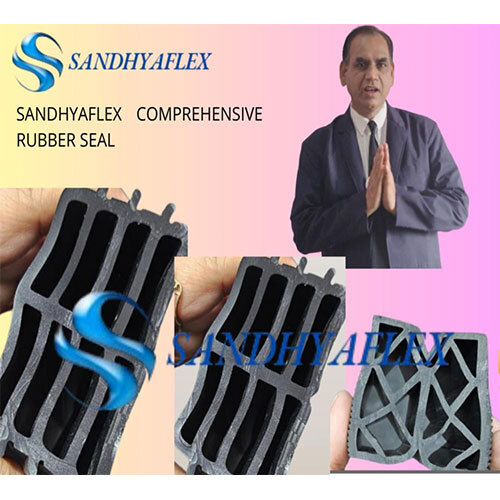
Tell us about your requirement

Price:
Quantity
Select Unit
- 50
- 100
- 200
- 250
- 500
- 1000+
Additional detail
Mobile number
Email

More Products in Bridge Expansion Joint Category

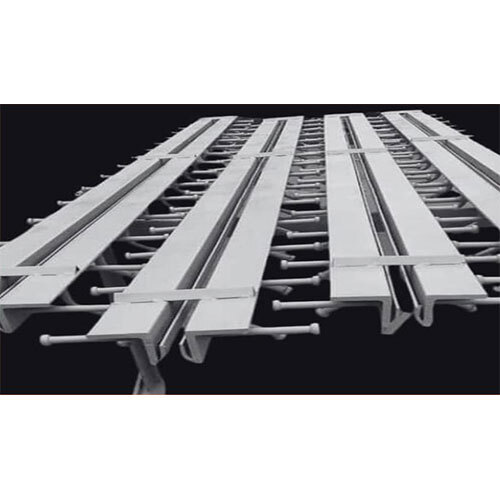
SANDHYAFLEX W Type Strip Seal Expansion Joint
Price 3000.0 INR / Meter
Minimum Order Quantity : 1 Meter
Color : Black (Rubber), Metallic (Steel)
Thickness : Rubber Seal 10 mm to 25 mm Meter
Material : EPDM Rubber, Mild Steel (MS)/Galvanized Steel
Accuracy : High dimensional accuracy mg
STRIP SEAL EXPANSION JOINT
Price 3000.0 INR / Piece
Minimum Order Quantity : 10 Pieces
Color : Silver
Thickness : 10 Millimeter (mm)
Material : Mild Steel
Accuracy : NA mg
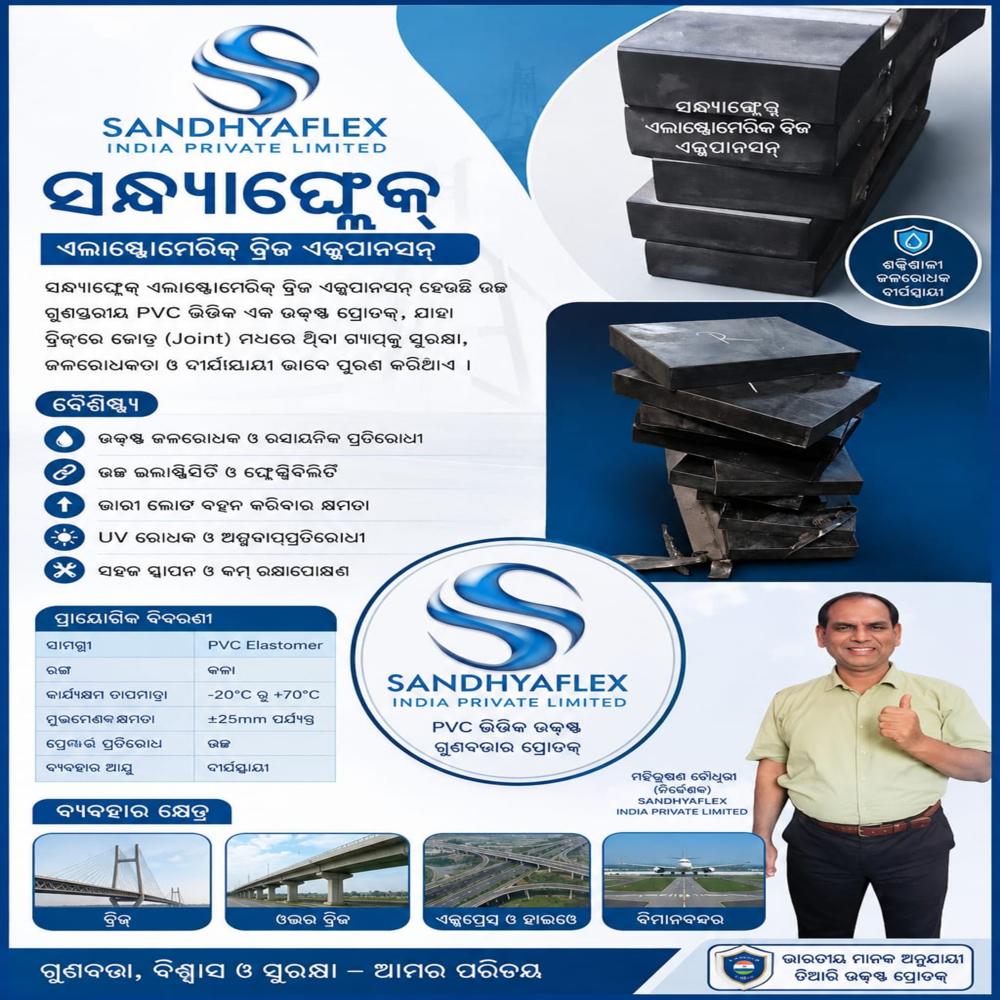
Elastomeric Bridge Expantion
Price 3500.00 INR / Unit
Minimum Order Quantity : 50 Units
Color : black
Thickness : 1020mm Millimeter (mm)
Material : EPDM
Accuracy : 2mm mm
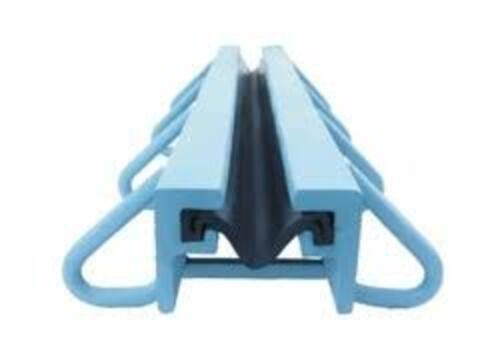
Bridge Expansion Joints
Price 3000.0 INR / Meter
Minimum Order Quantity : 25
Color : Blue and black
Thickness : Variable thickness depending on the joint type typically ranges from 10mm to 50mm Inch
Material : Steel and rubber composite
Accuracy : High precision manufacturing %


 Send Inquiry
Our Products
- PVC Water Stopper
- Rubber Gaskets
- Industrial Rubber Hoses
- Elastomeric Bridge Bearing
- Bellow And Expansion Joint
- Drainage Spout
- LDPE Sheets
- Speed Breaker
- PVC Granules
- PVC Water Bar
- Rubber Products
- Tie Rod
- Braided Pipe
- Bridge Expansion Joint
- Dam Gate Seal
- pvc water stopper
- Cement Feeding Rubber Hose
- Slurry Rubber Hose
- Water Suction and Discharge Rubber Hose
- Oil Suction and Discharge Rubber Hose
- Water Swellable Bar
- Electrical Insulating Mat
- Dewatering Rubber Hose
- Strip Seal Expansion Joint
- Pot PTFE bridge Bearing
- Expansion joint Filler Board
- PVC Foot Step
- Curing Hessian Cloth
- Vibrating Screen Rubber Beading
- Carbon Free Rubber Hose
- Rubber corner guard


24-1223/8/A, AMBEDKAR NAGAR, Gajularamaram,Hyderabad - 500055, Telangana, India

Mr Mithilesh Chaudhary
(Proprietor)
Mobile :08071781474
 Send Inquiry
 Send SMS
Developed and Managed by Infocom Network Private Limited.
