
Call us now :08071781474
 Send Inquiry
 Send Inquiry
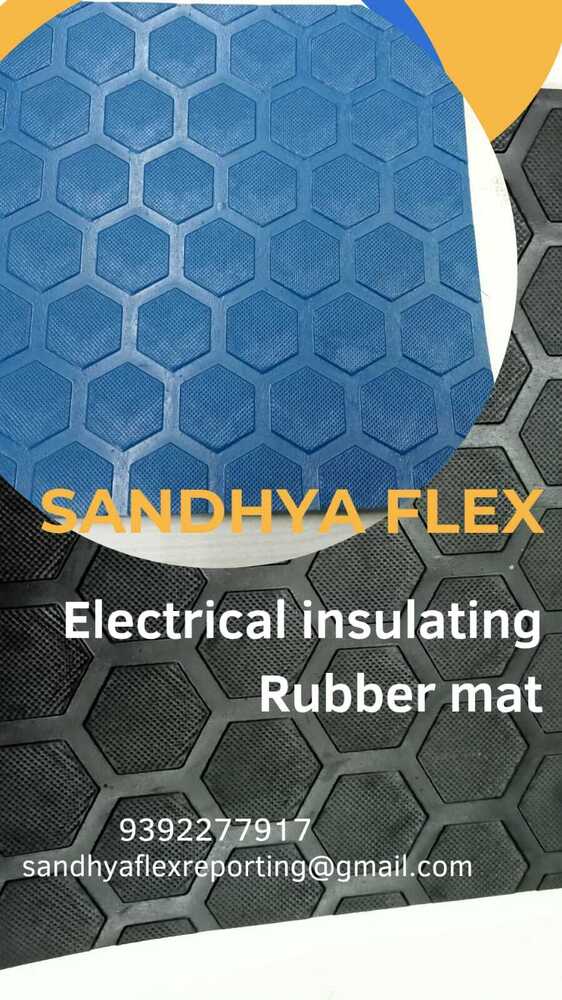
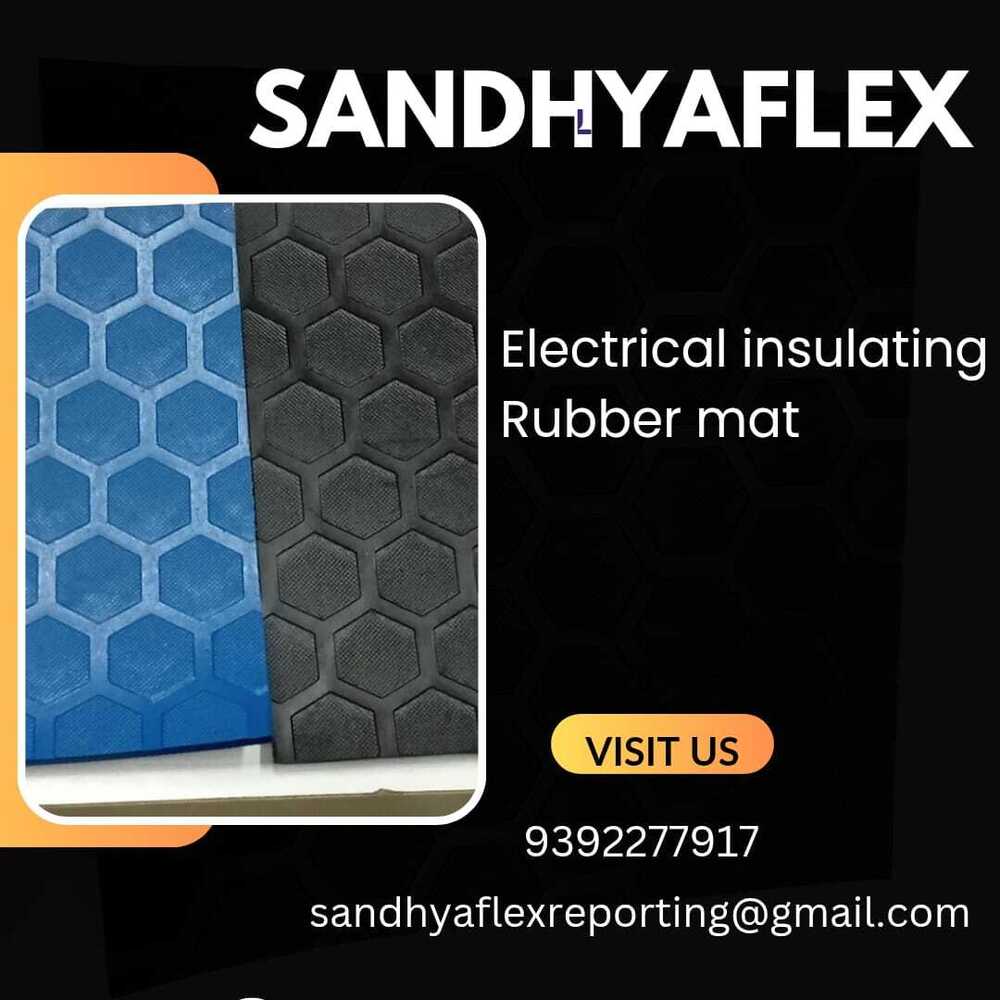
ELECTRICAL INSULATING MAT 3MM
Price 550 INR/ Meter
ELECTRICAL INSULATING MAT 3MM Specification
- Volatile Matter (%)
- 1000V
- Natural Rubber
- PVC
- Style
- RUBBER
- Material
- PVC
- Thickness
- 3 Millimeter (mm)
- Usage & Applications
- INDUSTRIALS
- Product Type
- RUBBER
- Size
- 1 MTR X 10MTR 3MM
- Length
- 10 Meter (m)
- Width
- 1 Millimeter (mm)
- Color
- BLACK
- Weight
- 40 Kilograms (kg)
About ELECTRICAL INSULATING MAT 3MM
An electrical insulating mat is a type of protective mat made from high-quality, non-conductive materials, such as rubber or PVC. These mats are primarily used in electrical environments to provide insulation and protect workers from electrical shocks or accidents while working with live equipment or circuits.
Key features and benefits of electrical insulating mats include:
- Electrical Insulation: They help prevent electrical shocks by insulating the worker from live electrical components.
- Voltage Protection: Different mats are rated for different voltage levels, such as 600V, 1000V, or even higher, depending on the environment.
Reliable Safety for Industrial Spaces
Our 3mm Electrical Insulating Mat offers dependable protection for anyone working with electrical equipment. Designed to insulate against up to 1000 volts, it's critical for preventing accidents in industrial settings. The use of durable PVC ensures longevity and consistent performance, assisting industries in maintaining a safe workplace according to safety regulations.
Engineered for Durability and Versatility
Constructed using premium natural rubber and PVC, this insulation mat is robust and adaptable for various industrial applications. It suits a range of business needs-whether as a protective flooring solution for electrical rooms, maintenance areas, or assembly lines. Its black color resists marking and dirt, promoting a clean and professional environment.
FAQ's of ELECTRICAL INSULATING MAT 3MM:
Q: How is the Electrical Insulating Mat 3mm typically used in industrial settings?
A: This mat is commonly placed near electrical panels, switchboards, or high-voltage equipment to provide insulation and protect personnel from electrical shocks during maintenance or inspections.Q: What makes this insulating mat suitable for industrial applications?
A: Its 3mm thickness and durable PVC material allow it to withstand harsh industrial environments, while its capacity to insulate up to 1000V meets stringent safety requirements for industrial workplaces.Q: When should I replace my electrical insulating mat?
A: It is best to inspect your mat regularly for signs of wear, cuts, or degradation. Replace it immediately if any damage is noticed or as per your facility's safety guidelines to ensure optimal protection.Q: Where can this mat be installed for maximum effectiveness?
A: Install the mat in areas with potential electrical hazards, such as electrical control rooms, switchgear areas, or any workspace requiring extra safety when working with energized equipment.Q: What is the process for cleaning and maintaining the mat?
A: To clean, simply wipe the surface with a damp cloth and mild detergent. Regular maintenance checks for cracks or tears help extend the mat's functional lifespan.Q: What are the main benefits of using a 3mm electrical insulating mat?
A: Using this mat reduces the risk of electrical accidents, helps you comply with safety standards, and provides peace of mind for both employers and workers handling electrical systems.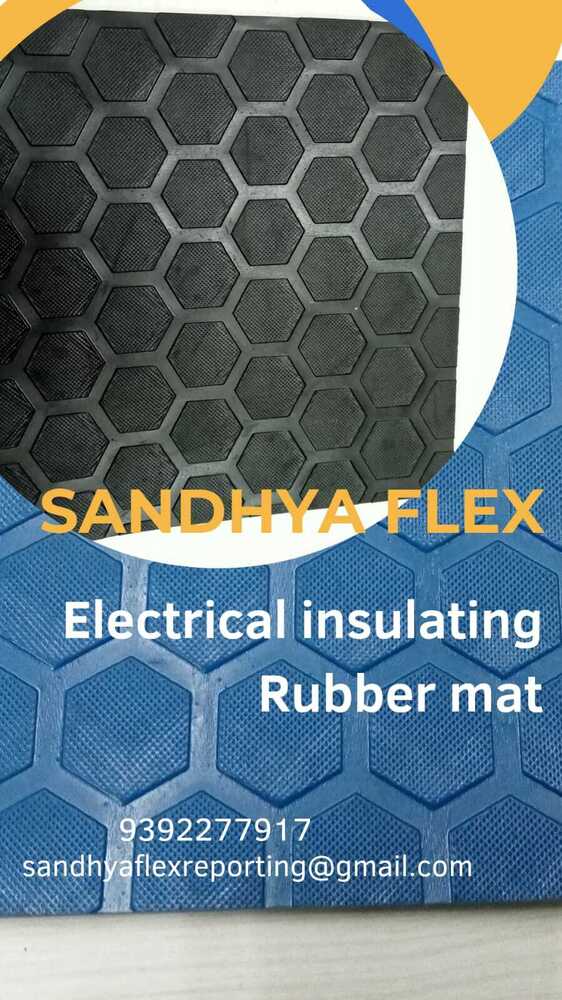
Tell us about your requirement

Price:
Quantity
Select Unit
- 50
- 100
- 200
- 250
- 500
- 1000+
Additional detail
Mobile number
Email

More Products in Rubber Products Category
Industrial Rubber Beading
Price 135.0 INR / Meter
Minimum Order Quantity : 100
Ash % : 0.5% Max
Color : Black
Usage & Applications : Sealing and insulation for doors, windows, automotive, and industrial machinery
Weight : Variable, as per size
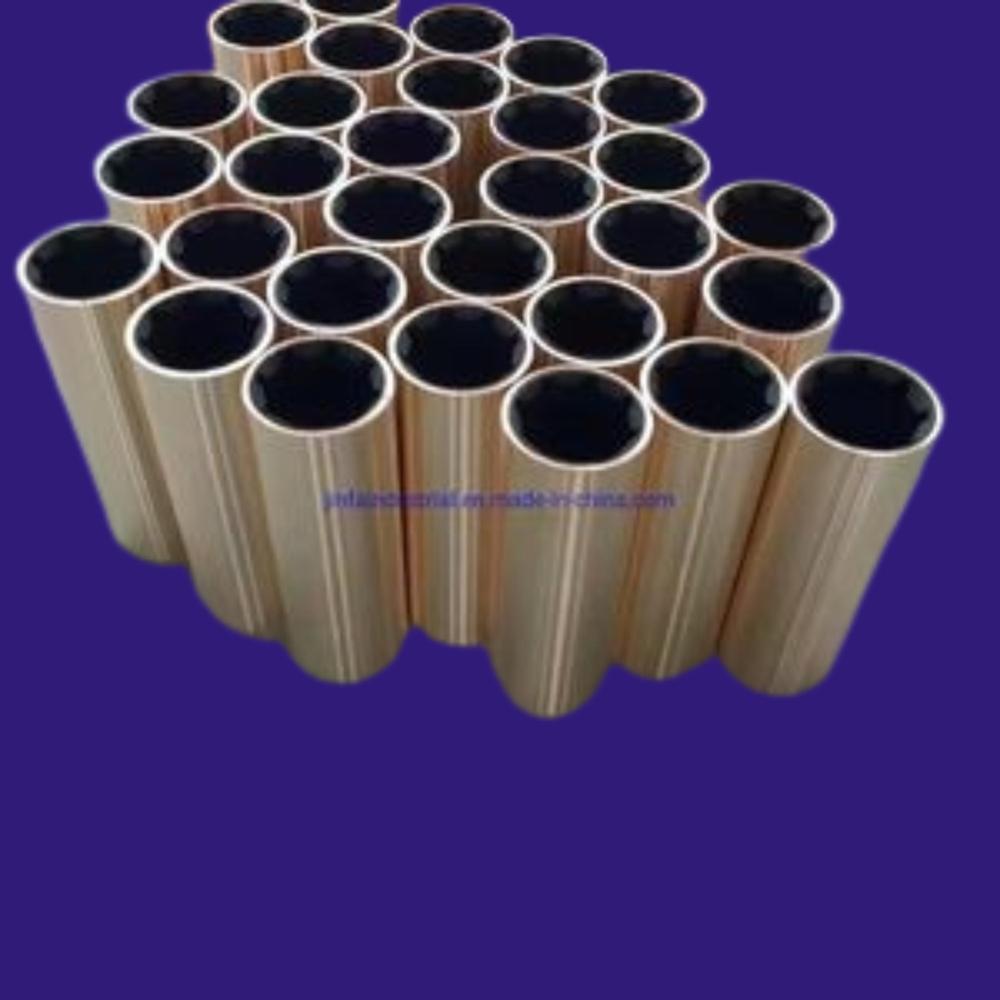
Cuttles Rubber Bearing
Price 2500.0 INR / Number
Minimum Order Quantity : 1 Number
Ash % : 4%
Color : Black
Usage & Applications : Shipbuilding, Marine, Boats, Industrial Machinery Support
Weight : Depends on size and configuration
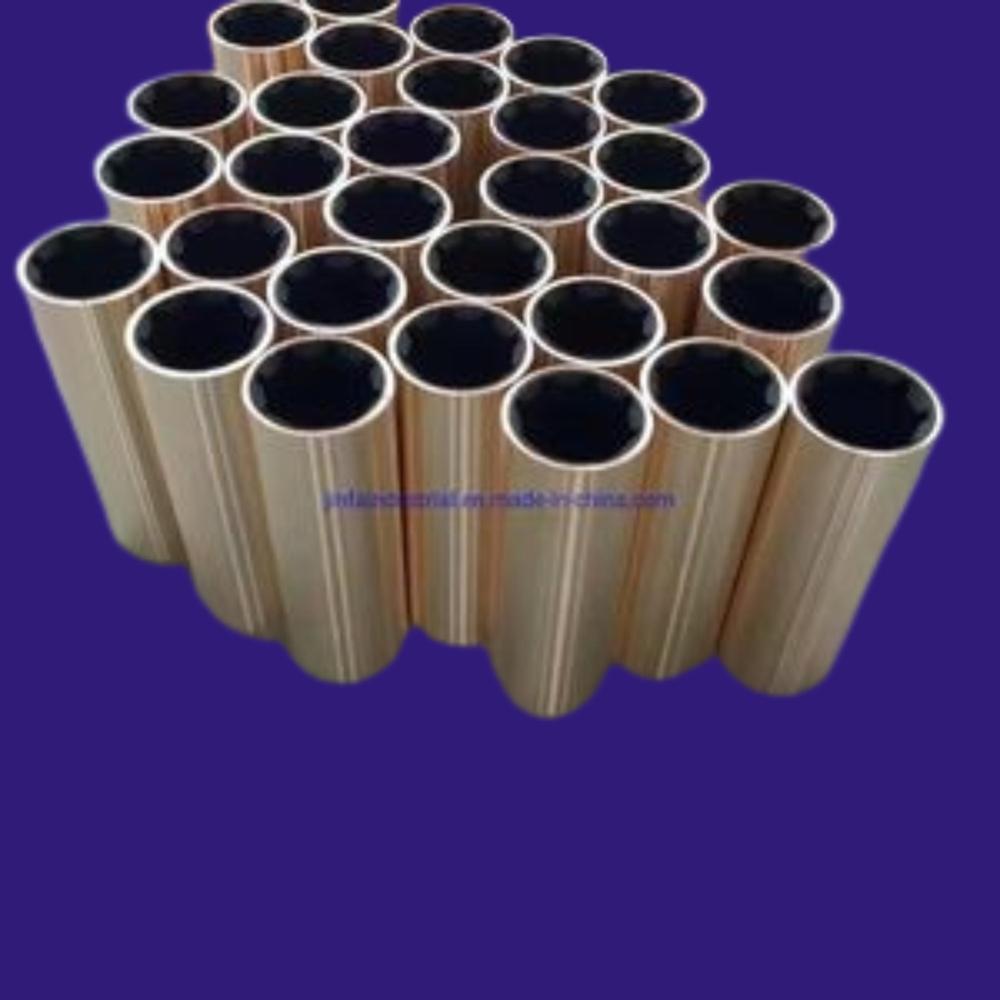
Cutles Rubber Bearing
Price 1500.0 INR
Minimum Order Quantity : 1
Ash % : <1%
Color : Black
Usage & Applications : Marine, industrial and shipbuilding applications for shaft and propeller support
Weight : Varies with size
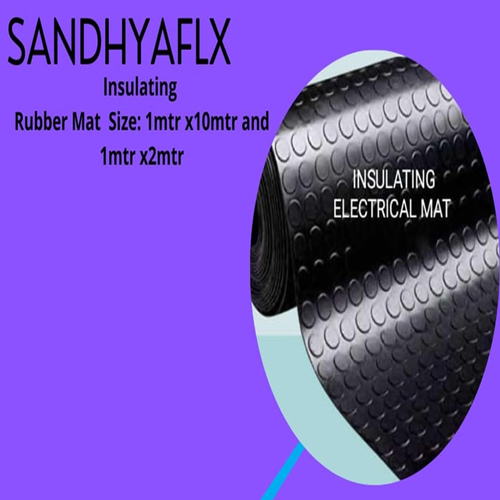
INSULATING RUBBER MAT 1X2 MTR 2MM THICKNESS
Price 400.0 INR / Meter
Minimum Order Quantity : 1 Meter
Ash % : Max 1% (as per IS 15652:2006)
Color : Black
Usage & Applications : Used for providing insulation in electrical environments, control panels, substation flooring, and around electrical equipment to ensure safety against electric shocks.
Weight : Approx. 46 kg


 Send Inquiry
Our Products
- PVC Water Stopper
- Rubber Gaskets
- Industrial Rubber Hoses
- Elastomeric Bridge Bearing
- Bellow And Expansion Joint
- Drainage Spout
- LDPE Sheets
- Speed Breaker
- PVC Granules
- PVC Water Bar
- Rubber Products
- Tie Rod
- Braided Pipe
- Bridge Expansion Joint
- Dam Gate Seal
- pvc water stopper
- Cement Feeding Rubber Hose
- Slurry Rubber Hose
- Water Suction and Discharge Rubber Hose
- Oil Suction and Discharge Rubber Hose
- Water Swellable Bar
- Electrical Insulating Mat
- Dewatering Rubber Hose
- Strip Seal Expansion Joint
- Pot PTFE bridge Bearing
- Expansion joint Filler Board
- PVC Foot Step
- Curing Hessian Cloth
- Vibrating Screen Rubber Beading
- Carbon Free Rubber Hose
- Rubber corner guard


24-1223/8/A, AMBEDKAR NAGAR, Gajularamaram,Hyderabad - 500055, Telangana, India

Mr Mithilesh Chaudhary
(Proprietor)
Mobile :08071781474
 Send Inquiry
 Send SMS
Developed and Managed by Infocom Network Private Limited.
