
Call us now :08071781474
 Send Inquiry
 Send Inquiry
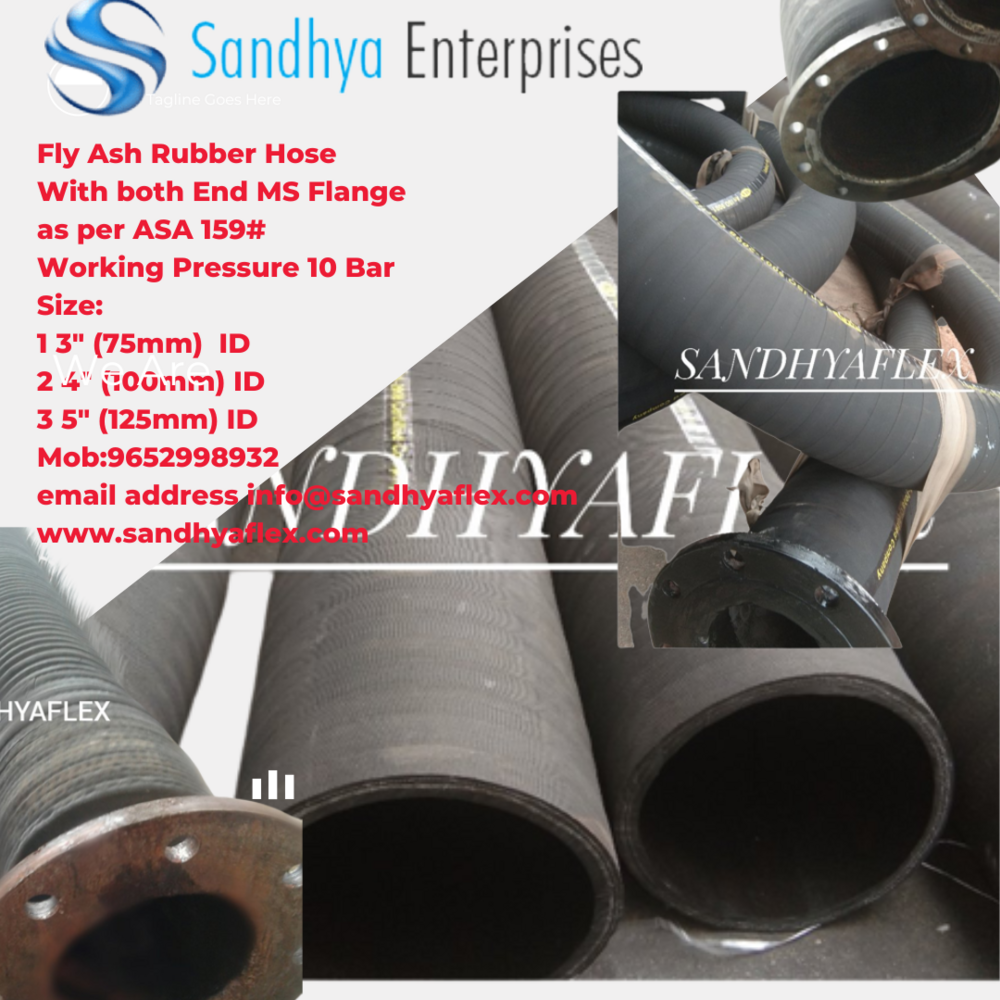
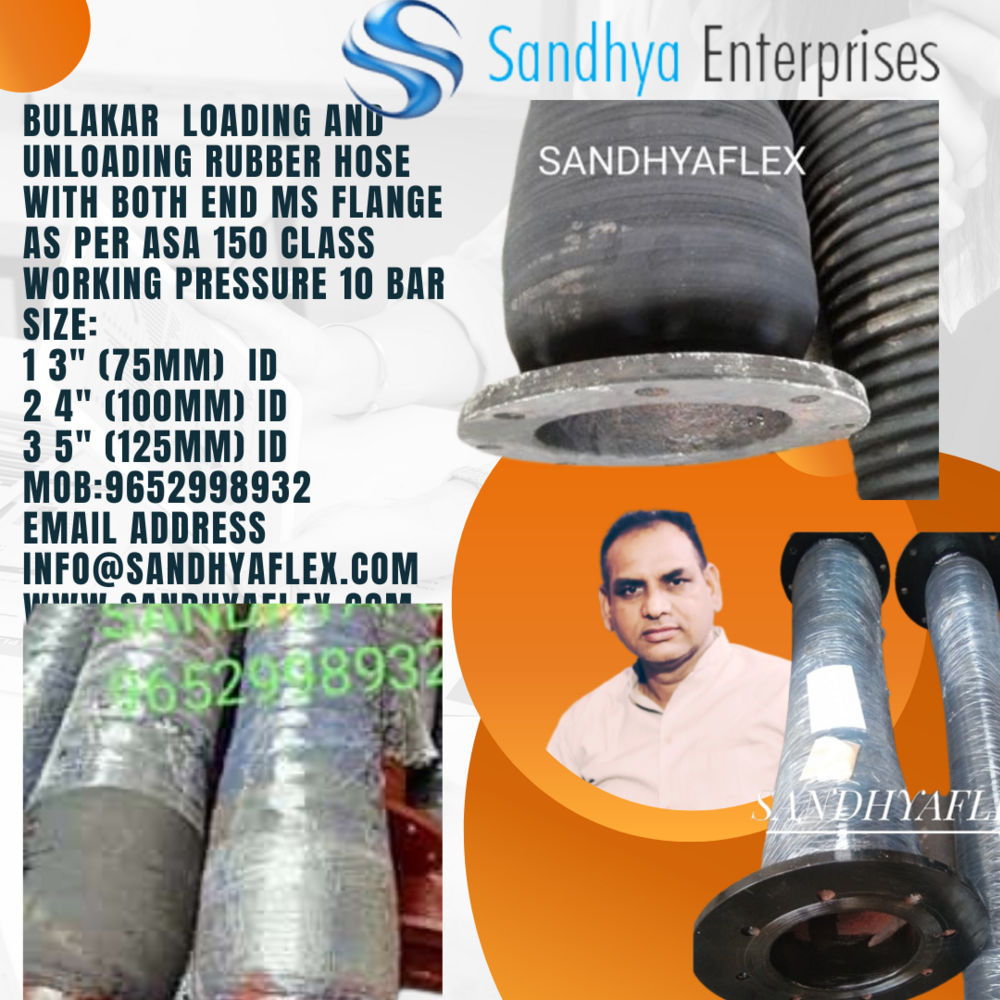
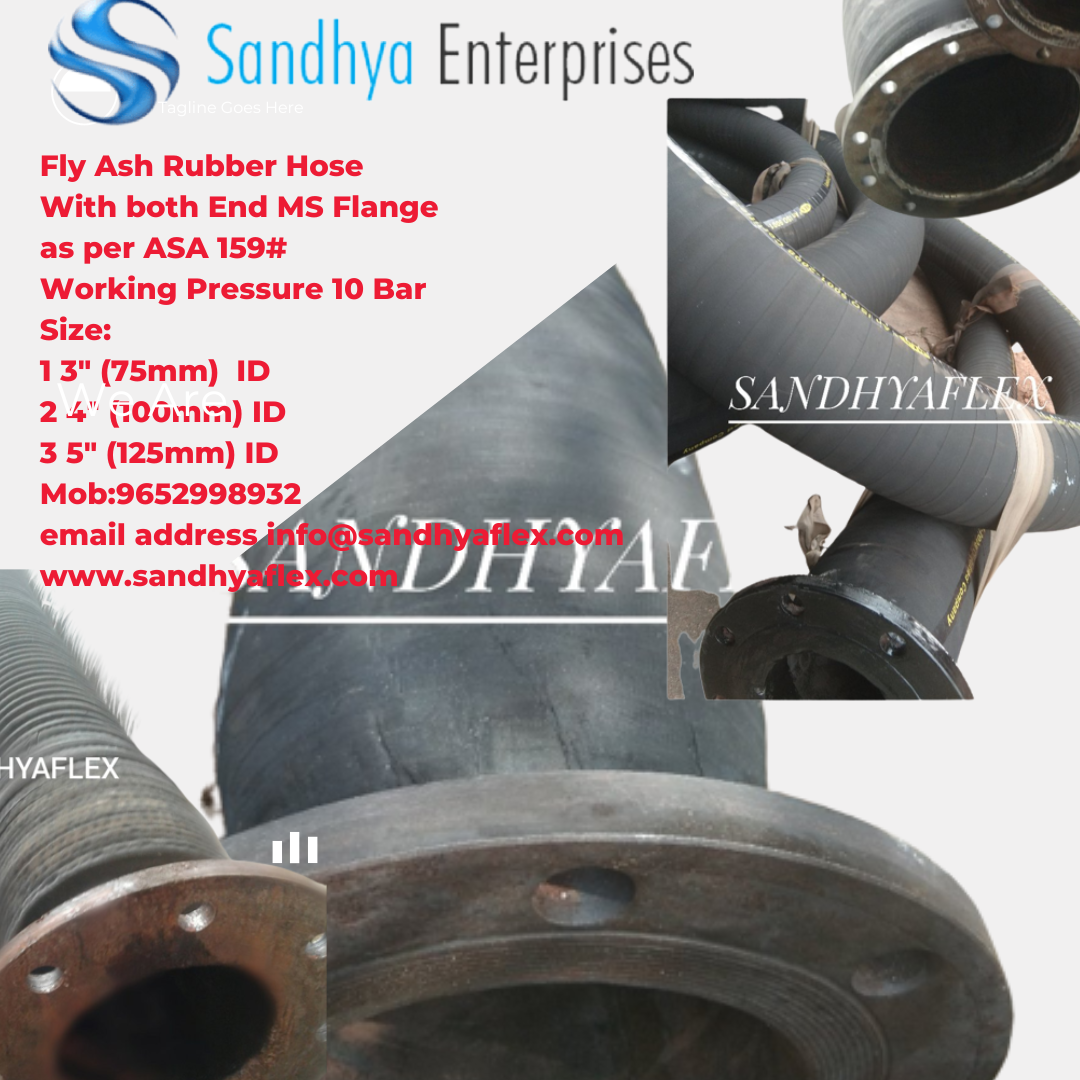
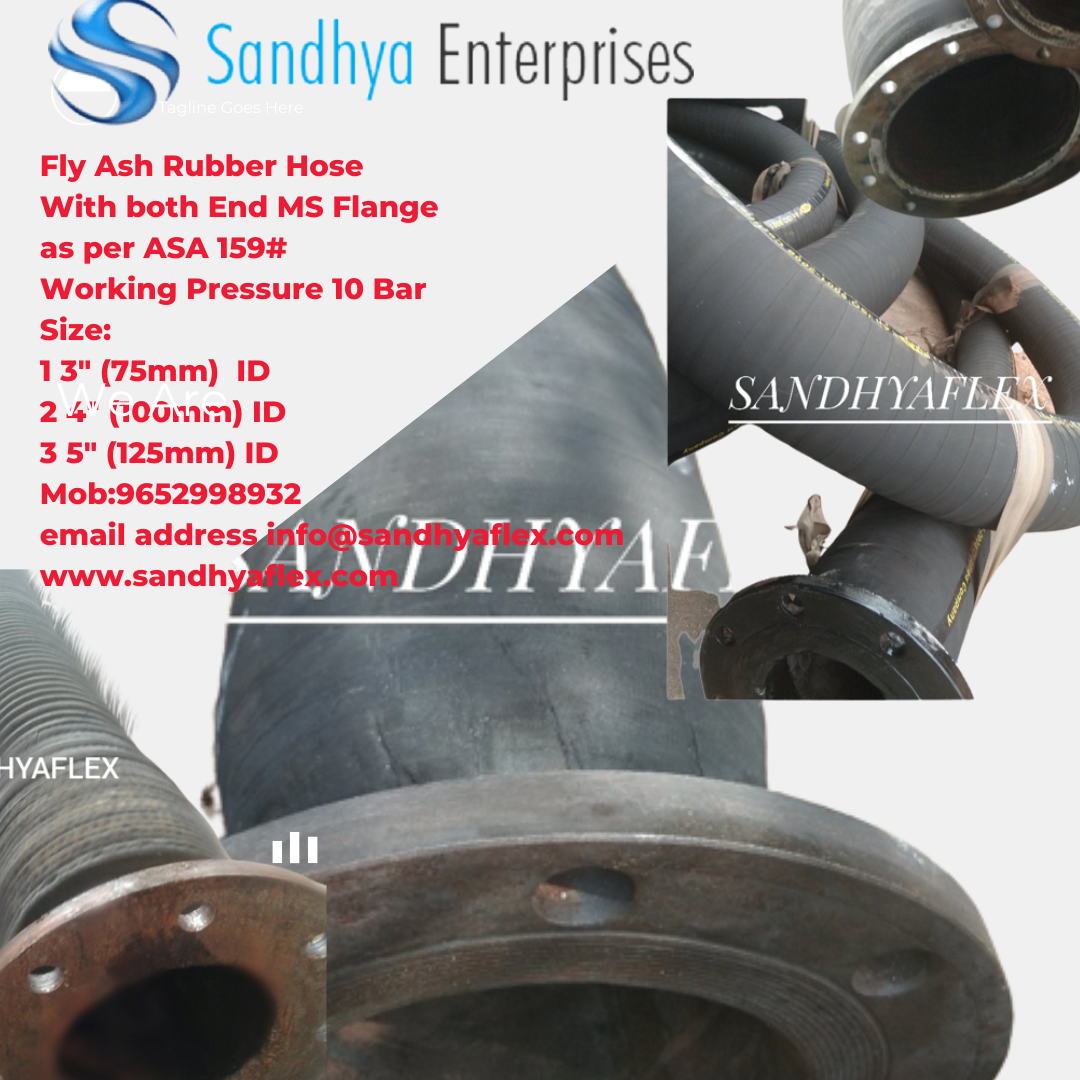
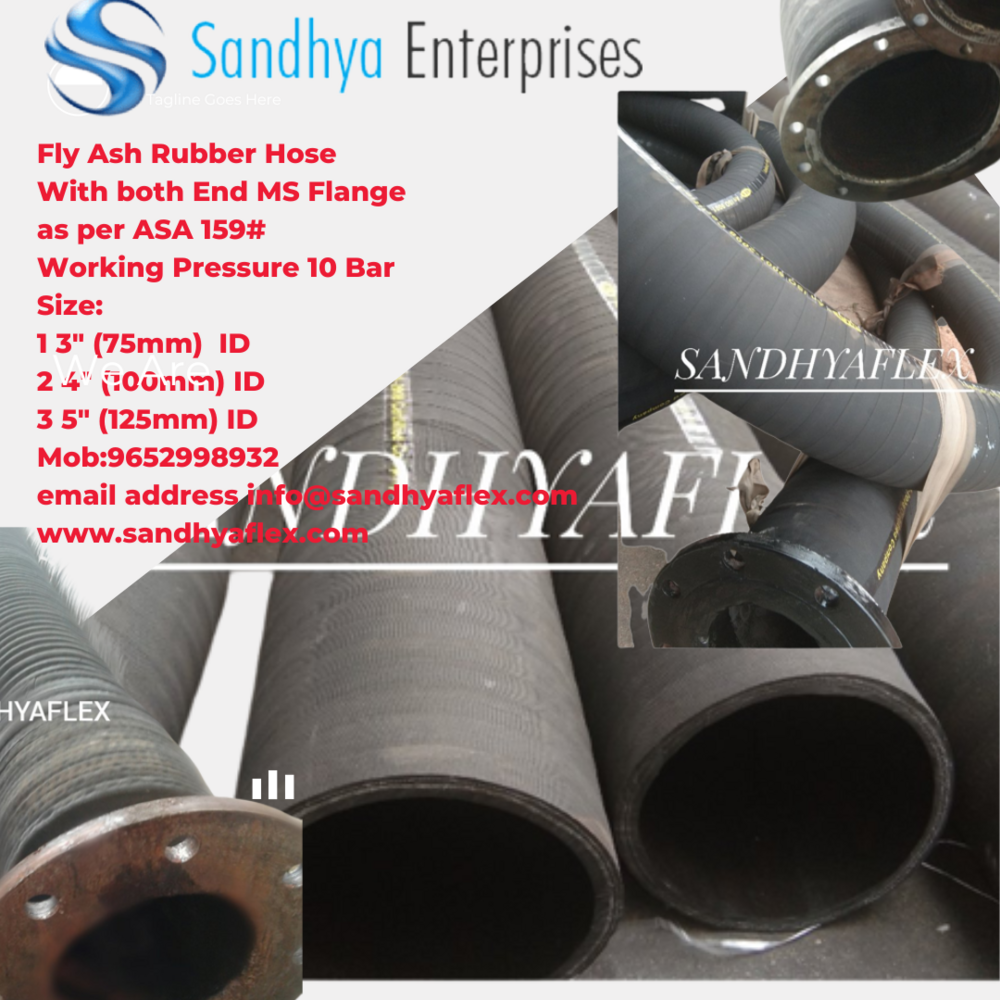
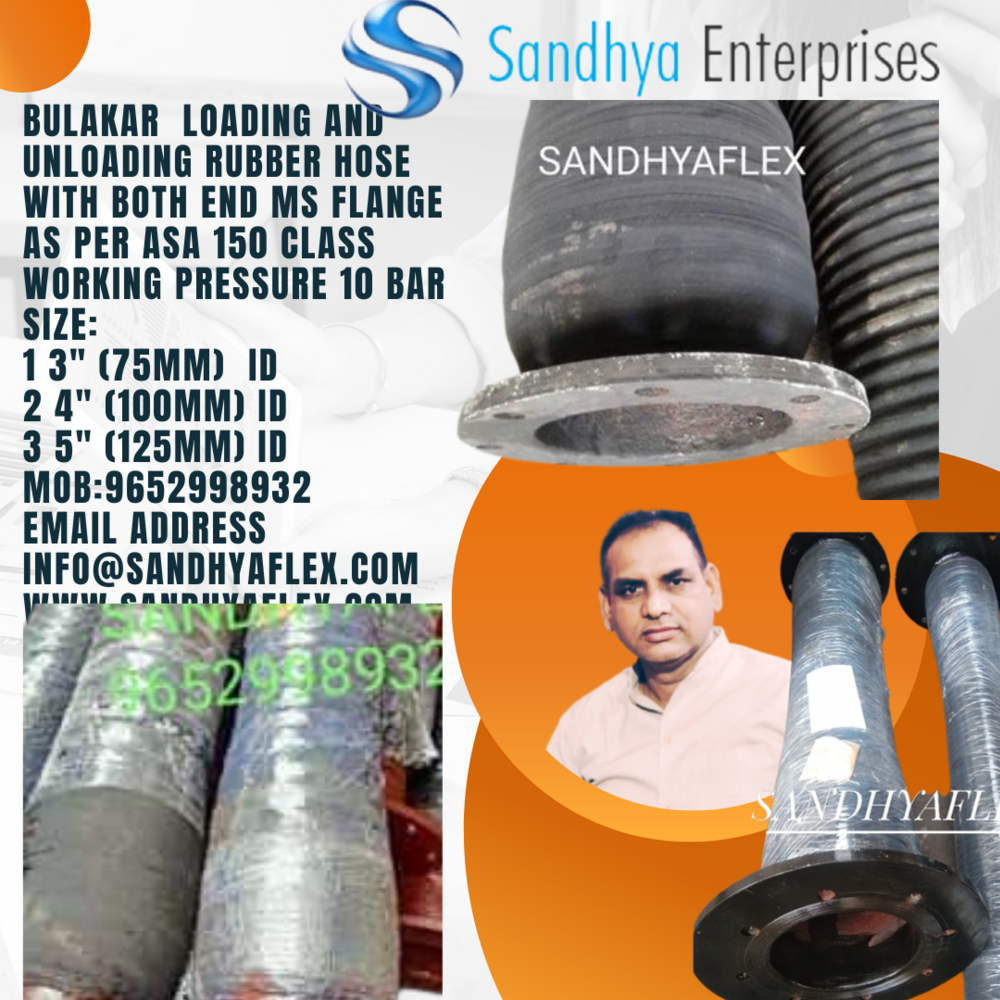
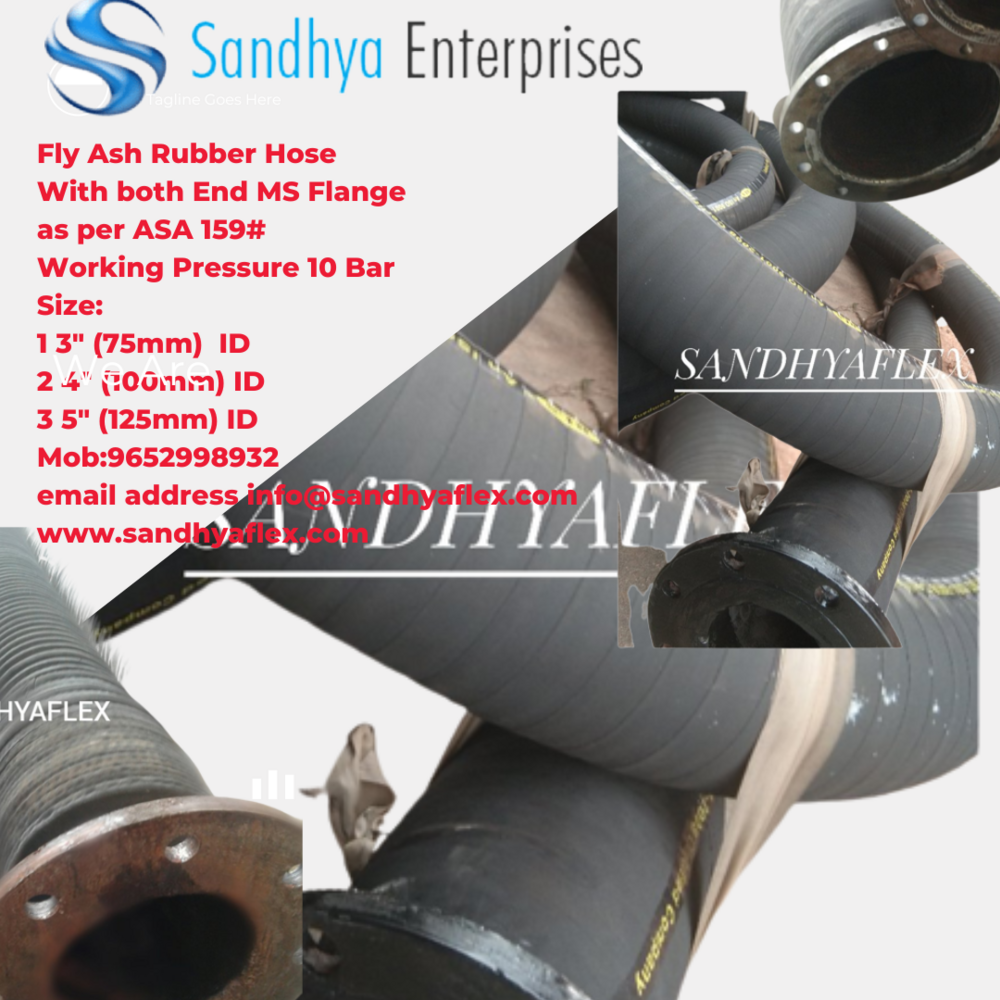
Cement Feeding Rubber Hose With Flange
Price 1800.0 INR/ Meter
Cement Feeding Rubber Hose With Flange Specification
- Connection Type
- NA
- Medium
- Petroleum Oil
- Reinforcement
- NA
- Shape
- Round
- Hardness
- NA
- Cover
- NA
- Usage
- NA
- Material
- Rubber
- Size
- 3 inch
- Temperature
- -10 to 150 Deg Celsius (oC)
- Height
- NA Meter (m)
- Pressure
- 10 to 25 kgf/cm2
- Product Type
- Vacuum Hose Pipe
- Inside Diameter
- NA Millimeter (mm)
- Weight
- 5 Kilograms (kg)
- Color
- Black
- Outside Diameter
- NA Meter (m)
- Length
- 15 Meter (m)
- Width
- 100 Millimeter (mm)
- Warranty
- NA
Cement Feeding Rubber Hose With Flange Trade Information
- Minimum Order Quantity
- 10 Meter
- FOB Port
- Hyderabad
- Payment Terms
- Cash in Advance (CID)
- Supply Ability
- 2000 Per Day
- Delivery Time
- 4 Days
- Sample Policy
- If order is confirmed we will reimburse the sample cost
- Packaging Details
- Packing as per Dimension
- Main Export Market(s)
- Asia
- Main Domestic Market
- All India
- Certifications
- ISO 9001 2015
About Cement Feeding Rubber Hose With Flange
Technical Details
Application of Cement Hose: Cement Feeding Rubber Hose is used for spraying cement grout at irrigation projects, buildings, dams, sites, dams, bridges and roads in the hilly terrains.
Construction:
Lining: It is a uniform, seamless and extra thick tube of natural, synthetic and blend rubber compound. It offers excellent abrasion resistance which is free from air blisters, porosity and other defects.
Reinforcement: Woven textiles or braided high strength natural/ synthetic yarns that are impregnated by piles of rubber
Cover: It is a suitable rubber compound having a cloth marked finish making it weather and abrasion resistant.
Electrical Bonding: To provide electrical continuity throughout the length of the hose, a stand of copper wire is embedded in the reinforcement plies.
As per IS: IS: 13071-1991 Specification
Construction
Core: Black colour, Synthetic and natural rubber blend resistant to abrasion
Reinforcement: High Tensile Synthetic Textile cord
Robust Design for Industrial Demands
This rubber hose is engineered to withstand the rigors of high-pressure cement feeding while remaining flexible and reliable over extended use. Its sturdy flange fittings ensure a secure connection during operation, making it a trusted choice for Indian industries in need of material handling solutions.
Versatility Across Multiple Sectors
Whether you are a manufacturer, supplier, or end-user, this hose is crafted to serve a wide scope of applications. From cement plants to construction sites, its resilience to temperature and pressure variations makes it a dependable component for efficient material transfer.
FAQ's of Cement Feeding Rubber Hose With Flange:
Q: How is the Cement Feeding Rubber Hose With Flange typically used in industrial settings?
A: This hose is mainly used for the conveyance of cement and other dry powder materials from storage silos to batching plants or transport vehicles. The flange fitting provides a tight seal, preventing leakage during high-pressure transfer.Q: What is the process for installing the rubber hose with flanges?
A: To install the hose, align the flanged ends with the corresponding pipeline or equipment flanges, insert a gasket, and secure the connection using bolts. This ensures a strong and reliable joint suitable for high-pressure operations.Q: When should I replace my cement feeding rubber hose?
A: It is advisable to inspect the hose regularly for signs of wear, cracks, or reduced flexibility. Under optimal usage, replacement intervals depend on operational frequency and material abrasiveness but should generally occur at the first sign of significant deterioration.Q: Where can I source this cement feeding hose in India?
A: You can obtain this hose from reputable dealers, fabricators, manufacturers, suppliers, traders, and wholesalers across India, many of whom cater specifically to the construction and industrial sectors.Q: What are the advantages of using a rubber hose with flange over other hose types?
A: Rubber hoses with flanges provide increased reliability, easy installation, and superior resistance to abrasion. The robust material and secure flange connections make them ideal for transferring abrasive substances like cement at higher pressures.Q: Can this rubber hose handle variable temperatures and pressures during operation?
A: Yes, the hose is designed to operate at temperatures from -10C to 150C and can withstand working pressures between 10 and 25 kgf/cm2, ensuring safe operation across diverse industrial environments.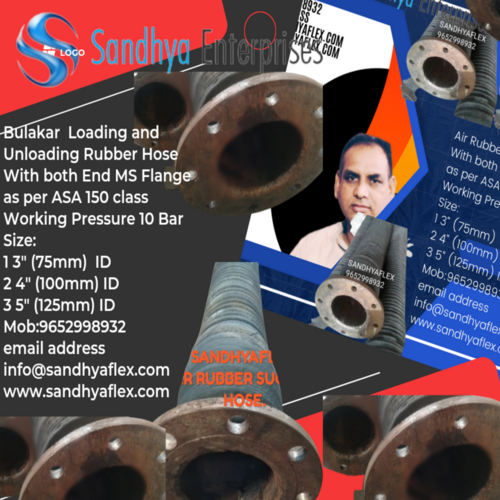



Tell us about your requirement

Price:
Quantity
Select Unit
- 50
- 100
- 200
- 250
- 500
- 1000+
Additional detail
Mobile number
Email

More Products in Industrial Rubber Hoses Category
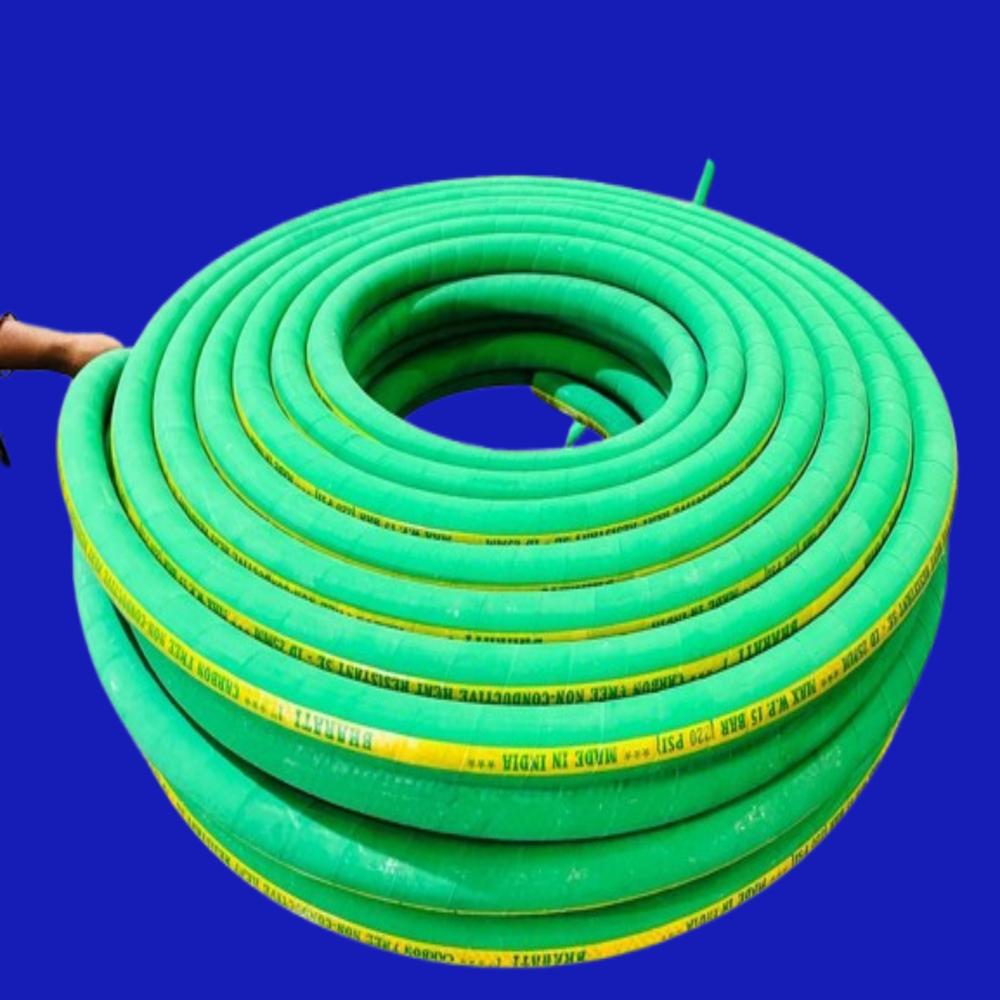
Rubber carbon Free Hose
Price 200.0 INR / Meter
Minimum Order Quantity : 1 Meter
Medium : Other, Cooling water, chemicals, antistatic applications
Material : Other, Specially compounded synthetic rubber, carbon free
Hardness : 6570 Shore A
Shape : Round
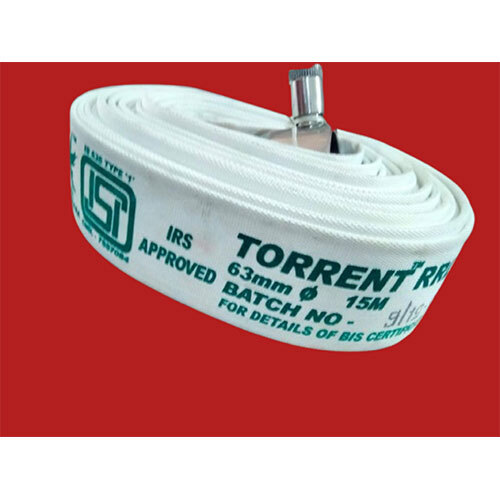
RRL Fire Hose Pipe 63mm Type B
Price 2482319.0 INR
Minimum Order Quantity : 1
Medium : Other, Water
Material : Other, Twilled Synthetic Fabric with Rubber Lining
Hardness : Medium (Textile reinforced)
Shape : Coil (Round)
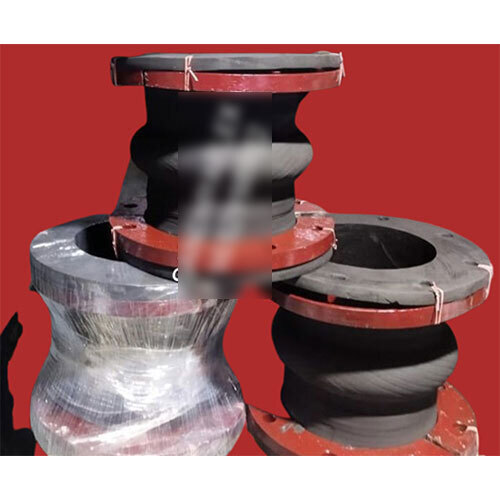
Rubber Expansion Joint Bellow
Price 9000.0 INR
Minimum Order Quantity : 1
Medium : Other, Water, oils, chemicals, mild acids, air
Material : Other, Highgrade synthetic rubber
Hardness : 6070 Shore A
Shape : Cylindrical with bellow convolution
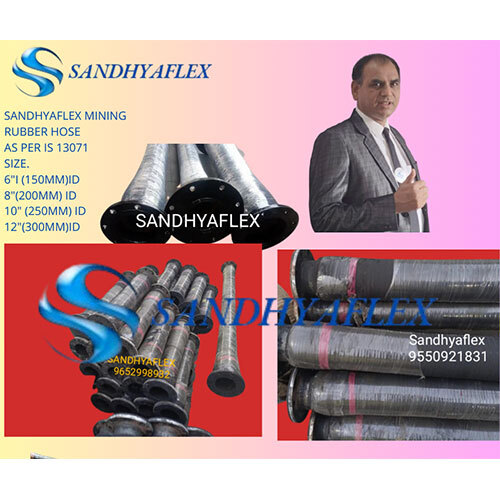
Slurry Rubber Hose 150NB
Price 3500.0 INR / Meter
Minimum Order Quantity : 1 Meter
Medium : High Water Content Liquid
Material : Rubber
Hardness : Medium
Shape : Round


 Send Inquiry
Our Products
- PVC Water Stopper
- Rubber Gaskets
- Industrial Rubber Hoses
- Elastomeric Bridge Bearing
- Bellow And Expansion Joint
- Drainage Spout
- LDPE Sheets
- Speed Breaker
- PVC Granules
- PVC Water Bar
- Rubber Products
- Tie Rod
- Braided Pipe
- Bridge Expansion Joint
- Dam Gate Seal
- pvc water stopper
- Cement Feeding Rubber Hose
- Slurry Rubber Hose
- Water Suction and Discharge Rubber Hose
- Oil Suction and Discharge Rubber Hose
- Water Swellable Bar
- Electrical Insulating Mat
- Dewatering Rubber Hose
- Strip Seal Expansion Joint
- Pot PTFE bridge Bearing
- Expansion joint Filler Board
- PVC Foot Step
- Curing Hessian Cloth
- Vibrating Screen Rubber Beading
- Carbon Free Rubber Hose
- Rubber corner guard


24-1223/8/A, AMBEDKAR NAGAR, Gajularamaram,Hyderabad - 500055, Telangana, India

Mr Mithilesh Chaudhary
(Proprietor)
Mobile :08071781474
 Send Inquiry
 Send SMS
Developed and Managed by Infocom Network Private Limited.
